As an Amazon Associate, we earn from qualifying purchases. Some links on this site are affiliate links at no extra cost to you. Our recommendations are based on thorough research and editorial judgment.

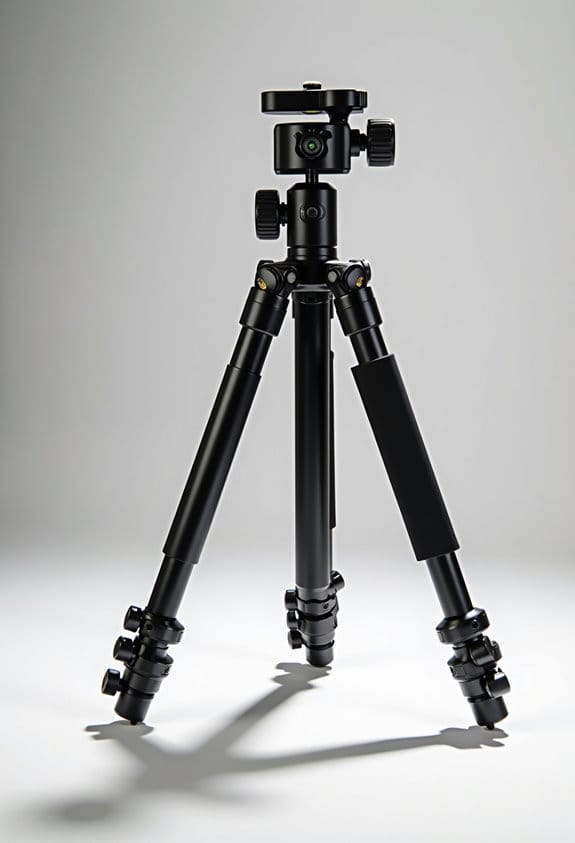
Tripod Basics: Stability, Height, and Why Cheap Tripods Frustrate You

When choosing a tripod, we should prioritize stability, adjustability, and quality. Stability minimizes camera shake, leading to sharper images, especially in low-light conditions. Height adjustability is vital for comfortable shooting; tripods that match our eye level enhance our experience. Cheap tripods often frustrate us due to poor stability and durability, which can result in blurry photos. By understanding key features in quality tripods, we can improve our photography and avoid common pitfalls. Discover more essential insights.
Key Takeaways
- Stability is crucial for minimizing camera shake and ensuring sharp images, especially in low-light conditions, requiring a sturdy tripod that can support heavier setups.
- Height adjustability is essential for comfortable shooting; choose tripods that match your eye level and limit leg sections for better stability.
- Cheap tripods often lack the durability and stability needed, leading to tipping over and resulting in poor image quality during shoots.
- Quality tripods feature quick-release grips and reliable leveling adjustments, enhancing workflow and enabling creative angles without frustration.
- Investing in a solid tripod, like those made of carbon fiber, significantly improves shooting experience and reduces image editing time.
Understanding the Importance of Stability in Tripods

When it comes to photography, one of the most crucial elements that can significantly improve our images is stability. A stable tripod is key because it helps to minimize camera shake, which means you get sharper shots, especially when the lighting isn’t ideal. For instance, if you’re shooting at dusk, a sturdy tripod can make all the difference in preventing those blurry pictures that can happen when you’re trying to hold the camera steady.
Now, let’s talk about materials. You’ll often hear photographers rave about carbon fiber tripods, and for good reason—they’re lightweight yet very strong. When picking a tripod, it’s a good idea to choose one that can handle at least double the weight of your camera and lens combined. This extra capacity helps ensure that you have the stability you need, even when you’re working with heavier setups.
Also, think about the number of legs or sections your tripod has. More sections might allow you to adjust the height, but that can sometimes weaken stability, especially if it’s a windy day or you’re using heavy gear. A solid tripod doesn’t have to break the bank, but investing in one that’s well-made can really improve your photography experience.
Additionally, features such as non-slip pads and weight hooks are essential as they enhance stability on uneven surfaces, further reducing camera shake.
Height Adjustability: Finding the Right Fit

You might be wondering how to choose the perfect tripod that suits your needs, and height adjustability is a key factor to consider. It’s super important to match the tripod’s height to your eye level for a comfortable shooting experience. Ideally, look for one that goes a bit higher than your eye level so you can experiment with different angles, especially when working on uneven ground.
When you’re shopping for a tripod, pay attention to how many leg sections it has. Tripods with fewer leg sections usually offer better stability, making them easier to set up and pack away. For example, a tripod with three or four sections is often sturdier compared to those with more, and it’ll save you time when you’re out capturing photos.
Now, if you’re in the market for a travel tripod, think about the balance between its folded height and maximum height. You want it to be compact enough to carry around easily, yet tall enough to be functional. Another thing to keep in mind is the center post adjustment—while it can help you reach greater heights, avoid extending it too much to keep everything stable.
Choosing the right tripod can really enhance your photography experience, allowing you to focus on capturing those perfect shots without worrying about your equipment. Tripods with features such as quick-release systems can also improve your workflow by enabling rapid camera changes. Shall we talk about the different types of tripods next?
The Downsides of Cheap Tripods
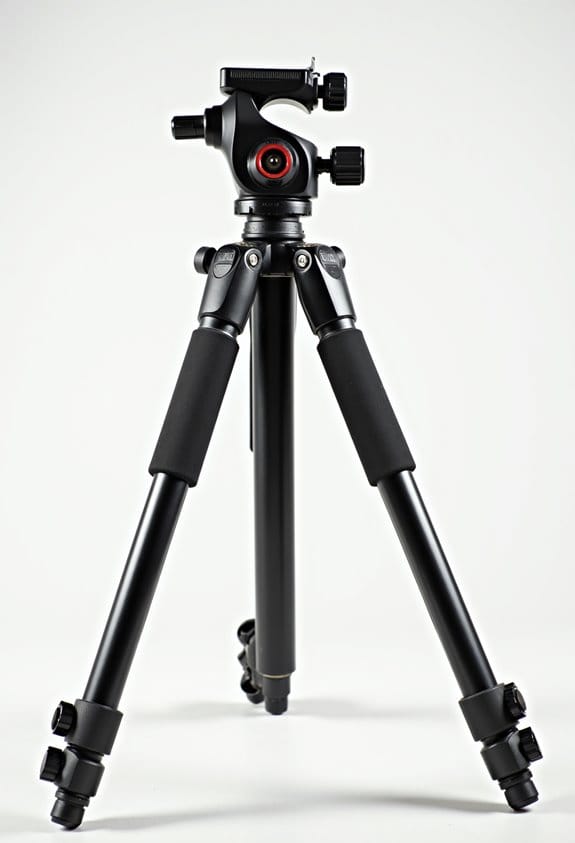
Hey there! So, you know how important it is to find the right height for a tripod, right? But let’s chat about the downsides of those cheaper tripods you might come across. For one, they often lack stability. If you’re using a heavier camera setup, you run the risk of tipping over, especially on a windy day. Picture this: you finally get your perfect shot lined up, and then—whoosh! Your tripod sways, and your shot is ruined.
Another issue is durability. Cheap tripods are often made from flimsy materials, which means they can wear out quickly. You might start to notice that they don’t hold your camera as steadily after just a few uses. Plus, those awkward leveling adjustments can turn a simple shoot into a frustrating ordeal. Ever had trouble getting your shot just right because your tripod won’t stop wobbling? That’s what we call “Single Exposure Jigglers”—a fancy term for minor vibrations that can blur your images.
Let’s not forget that if you love low-angle or macro photography, these budget options really limit your creativity. You might struggle to achieve the unique angles you want. Investing in a quality tripod can eliminate these headaches and actually enhance your photography experience—trust me on that! It’s definitely worth considering as you build your gear. So, what do you think about splurging just a little for a more reliable setup? For those shooting video, using a 3-axis stabilization gimbal can significantly reduce shake and improve footage quality compared to relying solely on a tripod.
Key Features to Look for in a Quality Tripod
If you’re really looking to boost your photography game, getting a quality tripod is definitely a step in the right direction. A sturdy tripod not only enhances stability but also makes shooting a breeze. For example, instead of fiddling with twist locks, opt for quick-release grips. They let you adjust the legs swiftly, so you won’t miss those perfect moments when you’re out in the field.
Now, let’s chat about ball heads. Choosing one with a single lever can save you a lot of time switching between horizontal and vertical shots. Imagine you’re in a beautiful landscape; with just a flip of a lever, you can switch your camera’s orientation and capture everything seamlessly. Also, when you’re scouting for tripods, make sure its weight rating is at least 1.5 to 2 times that of your camera and lens. This ensures maximum stability, which is super important, especially if you’re working with heavier gear.
Another thing to consider is the material. Carbon fiber tripods are fantastic because they’re lightweight and sturdy, making them ideal for outdoor adventures. Plus, keep an eye on the folded height of the tripod. You want something that’s easy to carry on your travels but still provides that solid base you need to snap great photos. By considering these factors, you’re well on your way to finding a tripod that will significantly enhance your photography experience! Now, let’s look at some tripods that fit the bill.
In addition, tripods with a 360-degree swivel feature are essential for dynamic panning, especially in landscape and architectural photography.
Optimizing Your Shooting Experience With the Right Equipment
Optimizing your shooting experience starts with picking out the right equipment, and let me tell you, a solid tripod can make all the difference. A good tripod gives you that extra stability and lets you adjust the height, which is super helpful for getting those perfect shots. When you’re looking for one, think about how much it weighs and how easy it is to carry around, especially if you’re planning to travel.
Quick setups can save you a lot of time, so go for tripods that have quick-release grips instead of twist locks—they’re much quicker to adjust when you’re trying to catch the right moment. If you have a camera store nearby, definitely take some time to test a few out; finding one that feels comfortable and stable makes a world of difference. Trust me, investing in a quality tripod not only helps with aligning your shots but also cuts down on the hours spent editing later. Keep in mind that lightweight materials like carbon fiber significantly enhance portability, making your photography trips much easier.
How Tripod Quality Impacts Image Sharpness
If you want to capture sharp images, the quality of your tripod is really important—especially when you’re taking those long-exposure shots. A high-quality tripod does a fantastic job at reducing vibrations, which helps keep your photos nice and crisp. Think about it: when you’re out on a windy day and your cheap tripod is shaking around, you’re just asking for blurry images. Instead, a solid tripod made from materials like carbon fiber is much more stable.
For example, if you’re shooting with a heavy camera and lens setup, you want your tripod to support at least 1.5 to 2 times that weight. That way, you won’t have to worry about drooping or instability. Plus, with a sturdy tripod, making precise adjustments to your composition becomes a breeze, and it really shows in the sharpness of your final images. So, investing in a good tripod isn’t just about holding your camera; it’s about ensuring those shots turn out just the way you envisioned. This leads us to the next key component of sharp images: the importance of using the right camera settings. To further enhance image quality in low light or dynamic conditions, using a flash with accurate color reproduction can complement your tripod stability perfectly.
Making an Informed Investment in Your Photography Gear
Hey there! If you’re getting serious about photography, investing in some high-quality gear, like a good tripod, is absolutely a game-changer for your shooting experience. For around $400, you can score a sturdy tripod that really makes a difference. I don’t know if you’ve ever tried using those flimsy ones, but they often leave you feeling jittery, especially when you’re trying to capture those stunning long exposures or quick moments in nature.
One thing you’ll appreciate about a solid tripod is its ability to adjust height smoothly. Imagine you’re out in the field and a gorgeous sunset starts appearing—all you have to do is adjust your tripod and get that shot without fumbling around. It’s also important to consider things like how fast the legs extend and how much weight it can hold. Ideally, it should support at least 1.5 to 2 times the combined weight of your camera and lens, which helps prevent shake and ensures things stay lined up perfectly. Additionally, having a camera bag with tripod holders can make transporting your setup much easier and more organized.
Frequently Asked Questions
What Is the Ideal Height for a Tripod?
The ideal tripod height should match our eye level, considering user height preferences for photography angle advantages. For travel, we’ll prioritize compactness, while ensuring stability for landscape and children’s photography tripods. Balance height is key!
How to Make a Tripod More Stable?
To enhance our tripod’s stability, let’s shorten leg extensions and use a quick release ball head. Adding tripod dampeners and counterbalancing weight on uneven ground boosts wind resistance and reduces vibrations effectively.
Why Should You Turn off Image Stabilization When Using a Tripod?
We should turn off image stabilization when using a tripod to prevent issues like tripod vibration effects and lens stabilization conflicts, improving image clarity during long exposure techniques and enhancing photographic consistency while reducing any potential motion blur.
What Are the Disadvantages of Using a Tripod?
Did you know 15% of photographers cite tripod weight as their biggest issue? We face camera shake from poor material quality, cumbersome leg locks, and portability issues, complicating versatile angles and adding setup time and maintenance challenges.


