As an Amazon Associate, we earn from qualifying purchases. Some links on this site are affiliate links at no extra cost to you. Our recommendations are based on thorough research and editorial judgment.


Remote Shutters Explained: Wired, Wireless, and App Control

A remote shutter release is essential for photographers, allowing us to take photos without touching the camera, which helps reduce camera shake. We can choose between wired and wireless options. Wired releases connect directly to the camera and don’t need batteries, while wireless versions offer more flexibility and often include smart app controls. Features like intervalometers make them great for time-lapse photography. Understanding these different types and features can help us enhance our photography skills and experiences.
Key Takeaways
- Remote shutter releases come in wired and wireless options, each with specific advantages for different photography scenarios.
- Wired remotes are cost-effective, battery-free, and compatible with various camera models, making them easy to use.
- Wireless remotes offer freedom of movement and can include features like intervalometers for time-lapse photography.
- App-controlled remote releases provide advanced functionality and integration with smart home systems for automated shooting.
- Regular maintenance, such as checking battery life and updating app firmware, is essential for reliable remote shutter operation.
What Is a Remote Shutter Release?

Hey there! So, have you ever heard of a remote shutter release? It’s pretty handy for photographers who want to snap a picture without touching their camera, which helps avoid that pesky camera shake. Imagine you’re taking a long-exposure shot of a waterfall—by using a remote, you can click the shutter without bumping the camera, leading to a clearer image.
There are two main types of remote shutter releases: wired and wireless. Wired ones, often called cable releases, plug directly into your camera. On the other hand, wireless options use infrared or radio signals, giving you the freedom to stand farther away. This is perfect for self-portraits; you can set your camera up, step back, and trigger it without having to run back and forth.
Some remote shutter releases even have cool features like intervalometers, which let you take pictures at set intervals. This is a game-changer for time-lapse photography or capturing different stages of a scene, like a beautiful sunset. So, next time you’re out shooting, consider bringing a remote shutter release along with you; it might just make your photography experience a lot smoother! Moreover, choosing between a wireless vs. wired remote depends largely on your shooting environment and personal needs.
Types of Remote Shutter Releases

Hey there! So, let’s chat about remote shutter releases. You can really think of them in two main categories: wired and wireless. Wired remote controls connect to your camera with a cable, which means no batteries needed! Plus, they help reduce camera shake, making them perfect for those long exposure shots—imagine capturing silky smooth waterfalls or star trails.
On the flip side, wireless remotes give you that extra freedom to move around. You can snap pictures from a distance, which is super handy if you want to be in the shot yourself, like during a fun group photo. Just keep in mind that wireless options usually require batteries and can hit you a bit harder in the wallet. They work using infrared or radio waves; infrared requires a direct line of sight to the camera, while radio options like Bluetooth have a greater range, letting you get creative without being tethered.
Both types can add some really fun features to your photography toolkit, depending on your camera. Whether you’re a landscape lover or into portraits, having a remote shutter release can open up a lot of possibilities. So, which one do you think would suit your style best? It’s also important to consider compatibility with your specific camera model to ensure seamless operation and avoid connectivity issues.
Wired Remote Shutter Releases
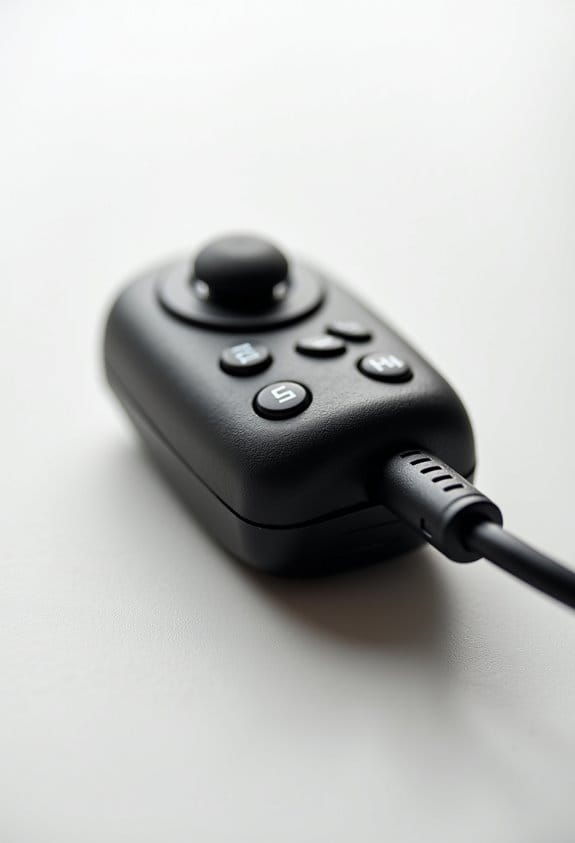
Hey there! Have you ever heard of wired remote shutter releases? They’re also known as cable releases, and they’re pretty essential for photographers who want to keep their shots steady and free from camera shake. By connecting directly to your camera with a cable, these remotes offer a reliable way to trigger your shutter without introducing any movement.
One of the best things about wired remotes is that they don’t need batteries, which means you won’t have to worry about running out of power during those long exposure shots or detailed macro photography sessions. Plus, you can find them in various cable lengths, so you can choose just the right one for your setup without adding unnecessary bulk to your gear.
Most wired remotes are super easy to use—plug them in, and you’re good to go! They work with a variety of camera models, which means you can spend less time fiddling with technicalities and more time getting creative. For example, if you’re capturing a sunset, you can set your camera on a tripod and remotely click the shutter to get that perfect shot.
Getting one of these little gadgets is a great way to enhance your photography experience. A reliable remote can help you focus on composing your shots instead of worrying about stabilizing your camera. What do you think? Want to dive into some tips on how to use them effectively? Wired remote shutters like the Kiwifotos RS-60E3 for Canon are popular examples designed to prevent camera shake during macro photography.
Wireless Remote Shutter Releases
Hey there! Have you ever heard about wireless remote shutter releases? They’re super handy gadgets for photographers who want to avoid camera shake and make their shooting process a lot smoother. Essentially, these devices use infrared or radio frequency technology, which means you can trigger your camera without needing to touch it at all! Imagine trying to take a long exposure shot; even the slightest bump can ruin it. With a remote, you can eliminate that worry.
What’s really cool is that many wireless remotes come with extra features. For instance, you could use them for interval shooting, which is great if you’re into time-lapse photography. This means you can set your camera to take pictures at regular intervals over time, capturing beautiful scenes like a sunset or blooming flowers! Plus, they often work with various camera brands, so no matter what you have, you might find a compatible remote.
Some brands even offer dedicated smartphone apps. This can take your control up another notch since you can manage settings right from your phone. Think about capturing wildlife shots from a distance or taking self-portraits without running back to the camera every time. It all just makes photography feel much more accessible and fun! So, if you’re looking to enhance your photography game, a wireless remote shutter release is definitely a tool to consider. Using a white balance card alongside a remote can further improve your photo’s color accuracy by ensuring consistent calibration in various lighting conditions.
Benefits of Using a Remote Shutter Release
Hey there! Have you ever thought about using a remote shutter release for your photography? It’s a fantastic tool that can really enhance your experience, especially when it comes to reducing camera shake. Picture this: you’re trying to capture a stunning sunset, and you want to do a long exposure shot. By using a remote shutter, you can avoid the little shake that comes from pressing the camera button. This simple tip can lead to sharper, more professional-looking images.
If you like taking self-portraits, a remote shutter is a game changer as well. You can set up your shot just the way you want it, step into the frame, and take your time without having to rush back to the camera. Plus, if you’re stepping into the world of wildlife photography, a wireless remote gives you the freedom to stay at a distance and let the animals act naturally, all while you capture those candid moments.
And don’t forget about some of the more advanced options out there, like the MIOPS Smart Trigger. It can help you with things like interval shooting and even creative long exposure effects. Just imagine setting it up to take multiple shots at intervals, and then compiling them into a time-lapse! It’s all about making the most of your photography toolkit. Speaking of tools, let’s chat about some other essentials you might want to consider adding to your gear. Wireless technology, similar to that used in wireless microphone systems, offers great freedom and convenience for remote shutter controls.
Scenarios for Using a Remote Shutter Release
Hey there! Let’s talk about remote shutter releases and how they can seriously up your photography game. Picture this: you’re out in the wild, trying to capture that elusive deer without scaring it away. With a remote shutter release, you can stay tucked away in your hiding spot and snap a picture without any sudden movements. This way, you won’t miss that perfect moment!
Now, think about those stunning long-exposure shots you’ve seen, like swirling clouds or silky waterfalls. If you press the shutter button with your hand, you might introduce some shake and ruin that lovely effect. A remote shutter release lets you trigger the camera without touching it, keeping everything nice and steady for those dramatic captures.
And if you’re into self-portraits, a remote shutter release can make your life so much easier! Instead of rushing back to the camera after setting up the shot, you can take your time to get everything just right. Want to capture different expressions? No problem—just click the remote when you’re ready.
Plus, if you’re a fan of macro photography, working with high magnifications can be tricky. A remote shutter release can help stabilize your camera, preventing any blurriness from the slightest movements. It’s all about getting that perfect focus!
Many 8K video cameras also come with convenient remote control features that allow you to operate the camera from a distance, enhancing flexibility in shooting.
How to Choose the Right Remote Shutter Release
Choosing the right remote shutter release can seriously boost your photography game! The first thing you want to do is make sure it’s compatible with your camera. Different brands, like Canon, Nikon, and Sony, often use specific connectors, so it’s worth double-checking before you buy.
Now, when it comes to the option of wired vs. wireless remotes, think about what you need. Wired remotes are often cheaper and don’t require batteries, making them great for steady shots like in macro photography. On the other hand, if you plan to take candid wildlife photos or want to snap some self-portraits from a distance, a wireless option gives you that flexibility, but keep an eye on the battery life!
If you’re into time-lapse photography, consider a remote with intervalometer features. These advanced wireless remotes allow you to set your camera to take a series of shots at your desired intervals. It’s really handy for capturing the movement of clouds or bustling city streets. So, as you think about your next purchase, just keep your photography style in mind—what do you want to capture, and how far away will you be?
Additionally, many modern wireless remotes utilize Bluetooth 5.2 technology for seamless, delay-free connections, enhancing the convenience and reliability of remote shooting.
Integration With Smart Home Systems
Have you ever thought about how integrating remote shutters with smart home systems could make your life easier? Imagine being able to control your shutters from your phone or with your voice, all thanks to wireless technology like Wi-Fi or Zigbee! By linking these shutters to platforms like Google Home or Amazon Alexa, you can open or close them whenever you want, whether you’re lounging on the sofa or out running errands.
What’s really cool is how you can set these smart shutters to operate automatically. For instance, you could program them to close at sunset, which not only adds an extra layer of security but also helps keep your energy bills in check. When your shutters close at the right time, they can help maintain your home’s temperature without overworking your heating or air conditioning.
Of course, getting everything set up might need a bit of technical know-how, so you might want to have a pro help to ensure everything connects smoothly. But once you’re all set, you’ll see just how much easier your day-to-day life can be! Speaking of easing daily tasks, let’s explore how these systems can add convenience in other areas, like smart lighting.
In fact, just like choosing the right camera bundle depends on factors such as a versatile autofocus system, integrating smart shutters can benefit from similarly thoughtful technology selections.
Maintenance and Troubleshooting Tips
Hey there! You know, taking care of remote shutters is just as crucial as enjoying all those nifty smart features they offer. Regular maintenance is the secret ingredient to keeping things running smoothly. For example, if your battery-operated remote starts lagging a bit, it’s probably time to swap out the batteries. It’s a quick fix that can really boost performance!
Now, if you’re using a wired remote, make it a habit to check the cable for any signs of wear or damage. Sometimes, a frayed wire can cause all sorts of disruptions, which is definitely something you want to avoid. And if your controls suddenly become unresponsive, don’t panic! Just try removing and reinserting the batteries or unplugging the unit for a few minutes—often, that’s all it takes to get things going again.
Also, if your remote shutters are controlled via an app, make sure to keep the firmware updated. Those updates can improve performance and squash pesky bugs. By following these simple tips, you’ll keep your remote shutters functioning well and ready to respond whenever you need them. Speaking of convenience, let’s chat about how these shutters can enhance your daily routine!
Regular checks and proper maintenance can significantly extend the battery life of your devices, ensuring longer usage without interruptions.
Frequently Asked Questions
How Does a Remote Shutter Work?
A remote shutter works by using remote control technology to trigger our camera’s shutter through various shutter release types. We should consider wireless communication methods, camera compatibility issues, and durability factors for ideal performance and user interface design.
How Does the Shutter App Work?
The shutter app works by utilizing smartphone integration for remote camera control, featuring an intuitive user interface design. We should consider battery life, signal range, compatibility issues, and regular software updates to guarantee peak performance and privacy.
Can Shutters Be Remote Controlled?
Yes, we can remote control shutters, enhancing our smart home experience. They offer convenience, aesthetic upgrades, and energy efficiency, while improving security. User-friendly controls simplify the installation process, making them a great option, economically speaking.
How Do I Connect My Remote Shutter to My Phone?
To connect our remote shutter to our phone, we’ll check camera compatibility, download the app, adjust phone settings, troubleshoot any Bluetooth connection issues, and remember the remote battery replacement to guarantee perfect shutter button functionality.