As an Amazon Associate, we earn from qualifying purchases. Some links on this site are affiliate links at no extra cost to you. Our recommendations are based on thorough research and editorial judgment.


Monopod Vs Tripod: When Each Makes More Sense

When deciding whether to use a monopod or a tripod, we should consider stability and mobility. Monopods are great for fast-moving subjects like wildlife and sports, offering quick setup and support without extra weight. Tripods, on the other hand, provide excellent stability for still shots, especially in low light or for long exposures. They are useful for detailed photography like landscapes or macro shots. Understanding these differences helps us choose the right tool for our photography needs and explore more options.
Key Takeaways
- Monopods are ideal for fast-paced photography, providing mobility and quick setup for sports or wildlife shots.
- Tripods offer unparalleled stability, making them essential for long exposure and low-light conditions in detailed photography.
- Monopods are budget-friendly, typically ranging from $99 to $200, while tripods can vary from $90 to over $400.
- Hybrid solutions blend monopod portability with tripod stability, offering flexibility for both dynamic and stationary shooting scenarios.
- Gimbal integration enhances performance for moving subjects, ensuring steady shots whether using a monopod or tripod.
Understanding Monopods and Tripods

Hey there! If you’re looking to capture stunning photographs, understanding monopods and tripods can truly help elevate your game. Think of a monopod as your fast and nimble buddy; it has just one leg, which means you can set it up quickly when you’re shooting moving subjects—like those playful deer in the woods or a thrilling sports event. They’re lightweight, making it easy to throw in your bag for a day out.
Now, if you’re planning on taking long exposure shots, let’s talk about tripods. These sturdy three-legged stands are your best friend for avoiding any camera shake, especially in low-light situations. Say you want to capture that beautiful sunset at the beach; a tripod provides the stability you need for a sharp, clear image. Sure, monopods let you adjust angles quickly, but when you need that rock-solid support, tripods shine.
Many tripods also feature adjustable height ranges and quick setup mechanisms, enhancing their versatility for various shooting scenarios.
Ultimately, both of these tools have their place in your photography kit, each offering unique advantages based on what you’re aiming to capture. Whether you’re out in the field or setting up for a serious shoot, knowing when to use a monopod or a tripod can really make a difference in the quality of your photos. What kind of photography are you most excited to explore?
Stability vs. Mobility
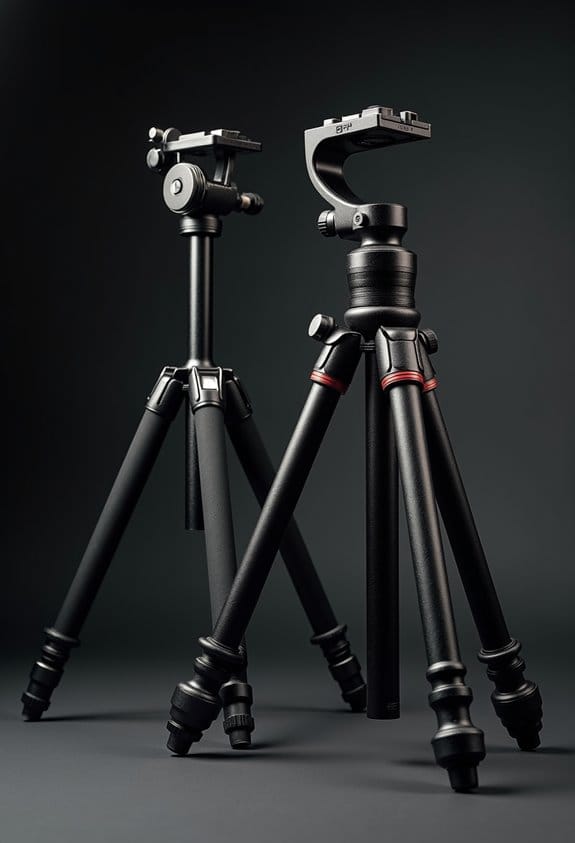
Hey there! So, let’s chat about the pros and cons of using monopods versus tripods. When it comes down to it, both stability and mobility play a big role in your photography choices. If you’re all about capturing those clean, crisp images, especially in low-light situations like evening events, then a tripod is your best friend. Imagine setting up for a night shot of a city skyline—the solid base of a tripod ensures you get those sharp details without any blur.
Now, if you’re the kind of photographer who’s always on the move, say shooting wildlife or covering sports events, then a monopod might suit you better. They’re super portable and can be set up in a flash, which is a lifesaver when you need to follow fast action—like a soccer player making a breakaway toward the goal. Plus, their lightweight design makes them easy to haul around on hikes or through crowded areas.
Ultimately, the choice between stability and mobility really depends on your shooting style. Do you need that rock-solid support for those intricate shots, or do you thrive in fast-paced environments where you need to stay agile? It’s all about finding the right tool for the job. Cameras like the Canon 90D offer continuous shooting speed that can benefit both monopod and tripod users depending on their scenario.
Use Cases for Monopods
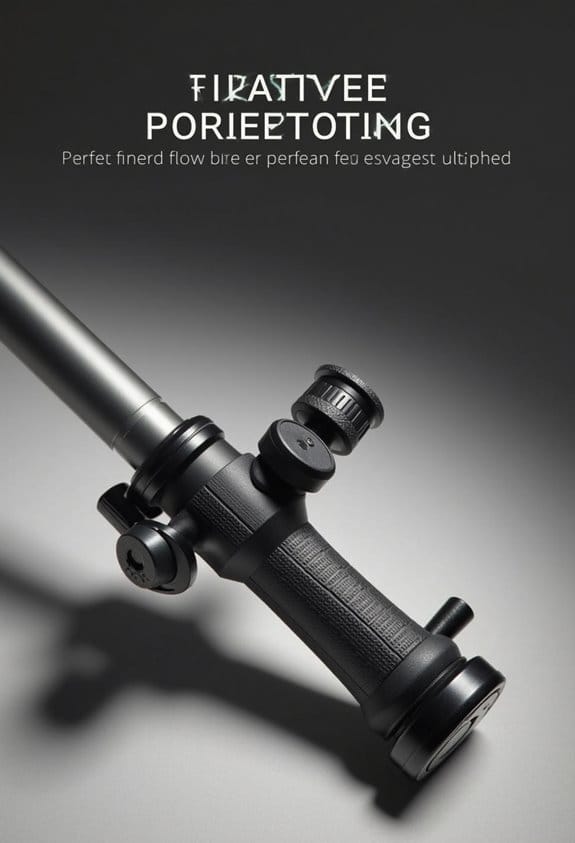
Hey there! Have you ever tried using a monopod for photography? They’re super handy when you want a good mix of stability and mobility. For example, if you’re out at a sports event or trying to catch a wildlife shot, a monopod gives you that extra support without weighing you down. It’s a lifesaver when you’re working with heavy lenses!
If you’re shooting in lower light—a common challenge—monopods can really help steady your hand and improve the clarity of your images. It’s a great alternative to lugging around a tripod, which can be bulky and awkward. Plus, they’re lightweight and compact, making them easy to carry during a hike or on a travel adventure.
And here’s the fun part: in dynamic situations, like birdwatching, a monopod lets you quickly change angles and follow your subject effortlessly. You don’t have to waste time setting it up, so you’re always ready to capture those spontaneous moments. It’s really about convenience and being prepared to snap that perfect shot! Additionally, pairing your monopod with 3-axis stabilization can further enhance image smoothness and professional quality.
Use Cases for Tripods
You know, tripods are such handy tools for photographers, especially when we’re looking for that perfect shot without any shakes or wobbles. Imagine trying to capture the night sky filled with stars; without a tripod, your camera would just move, and you’d end up with a blurry mess. Also, when you’re shooting tiny subjects up close in macro photography, a stable setup means you actually get to see those crisp details without any fuzziness.
In product photography, a sturdy tripod lets us keep the camera perfectly still while we focus on every feature of a product. For instance, have you ever noticed how some product shots have that crystal-clear quality? That’s a tripod at work! And during wedding photography, they can be a lifesaver. You can capture those beautiful ceremony moments and family portraits without struggling with light changes.
When it comes to landscape shots, a tripod not only supports heavier gear, but it also helps you frame your composition just right. It’s essential when you’re trying to get that breathtaking view of mountains at sunset. So, whether you’re shooting a starry night or a lovely wedding, tripods really enhance our photography game, ensuring we get the quality images we all strive for. Choosing tripods with appropriate load capacity ensures stability for heavier cameras and lenses. Speaking of quality, let’s chat about lighting next!
Choosing Based on Photography Style
When you’re picking out photography equipment, one of the first questions to ask yourself is, “What photography style do I want to focus on?” It’s crucial to differentiate between stability and mobility based on what you need. For instance, if you’re into long exposure shots or capturing fine details up close in macro photography, a solid tripod is your best friend. It reduces camera shake and allows you to capture those tiny details with crystal clarity.
On the flip side, if you’re shooting in a fast-paced setting, like at a sports event or out in the wild observing animals, a monopod might be the way to go. These lightweight options are super portable, letting you make quick adjustments as you track moving subjects—think of easily panning to follow a running athlete or a bird in flight.
If you’re a wedding photographer, you’ll find that tripods give you stability for those beautiful composed shots, especially under tricky lighting. However, during the more dynamic moments, like the first dance or cake cutting, a monopod can help you stay mobile, capturing those spontaneous moments without missing a beat. Recognizing how each tool works best in different scenarios will really help you make smart choices when deciding between a monopod and a tripod. Plus, as you get comfortable with these options, you’ll be better prepared for any situation that comes your way! Additionally, combining your gear with ergonomic support such as a DSLR shoulder rig can greatly improve shooting comfort and stability during longer sessions.
Budget Considerations
When you’re choosing photography equipment, it’s super important to balance your personal style with practical stuff like your budget. Take a monopod, for example—it’s a fantastic budget-friendly option that helps you get those steady shots without breaking the bank. Monopods usually run between about $99 and $200, while a solid tripod can cost you anywhere from $90 to over $400. So if you’re trying to conserve some cash, a monopod is a smart pick.
Plus, they’re quite versatile! A good monopod can double as a hiking pole, which is great if you like to hit the trails. Imagine heading out for a photography session in nature, using your monopod to stabilize your camera for a perfectly crisp shot, and then switching it up to help you trek up a hill. By using something as practical as a monopod, you’re really maximizing your investment without draining your wallet. For enhanced shooting in various lighting conditions, pairing your setup with adjustable video lights can significantly improve your results.
Hybrid Solutions: Combining Both
You know how monopods are great for being lightweight and easy to carry around, while tripods provide that solid stability we love? Well, hybrid solutions blend the best of both worlds! Imagine having a tool that can quickly change from a monopod to a tripod in just a few steps. This means when you’re out shooting a high-energy scene, you can zip around freely with the monopod, then switch to a tripod for those detailed landscape shots where steady support is crucial.
One cool example is a hybrid model that features detachable legs. You can use it as a monopod for fast-moving subjects, like during a sports event, or snap on the tripod legs when you’re capturing those stunning sunset photos where clarity is key. And if you add a gimbal head to your setup, it’s fantastic for wildlife photography. It helps keep your camera steady even with heavier lenses, so you won’t miss that perfect shot of a bird in flight.
In short, hybrid solutions let us adjust to whatever we’re facing in the field. It’s all about balancing portability and stability, which makes our photography adventures even more enjoyable! Additionally, integrating a gimbal with advanced 3-axis stabilization technology can further enhance smooth footage even while moving. Now, let’s chat about the different types of lighting gear we can use to elevate our shots.
Frequently Asked Questions
Can I Use a Monopod for Long Exposure Photography?
Absolutely, we can use a monopod for long exposure techniques! Research shows a 30% increase in image sharpness with proper monopod stability. It’s essential to take into account camera settings, equipment weight balance, and lighting conditions for ideal results.
Are There Specific Brands Recommended for Tripods or Monopods?
We love Manfrotto tripods for stability, Gitzo monopods for features, and Vanguard accessories for quality. Benro offers durability, while Sirui provides versatility. Neewer’s pricing is great, and Hama and Cullmann guarantee portability and compatibility.
How Do I Maintain and Care for My Tripod or Monopod?
To care for our tripod or monopod, let’s regularly inspect leg locking mechanisms, use lubrication for joints, follow cleaning techniques, store in a protective case, and avoid wear damage while transporting safely, especially in bad weather.
What Are the Weight Limits for Monopods Versus Tripods?
The weight capacity of monopods and tripods varies due to design differences. Tripods generally offer greater stability and height adjustments, while monopods excel in portability. User preferences often dictate material choices and price comparisons based on durability ratings.
Can I Attach Accessories to Both Monopods and Tripods?
Yes, we can attach accessories to both monopods and tripods, maximizing accessory compatibility. Monopod features offer flexibility for lightweight gear, while tripod versatility supports heavier equipment, enhancing photography with various mounting solutions and stability for different accessory weights.