As an Amazon Associate, we earn from qualifying purchases. Some links on this site are affiliate links at no extra cost to you. Our recommendations are based on thorough research and editorial judgment.


Flash Basics: TTL Vs Manual (And When to Use Each)

When we talk about flash photography, understanding TTL (Through The Lens) and manual flash is essential. TTL automatically adjusts the flash output based on camera settings, making it great for changing environments like weddings. Manual flash gives us full control over brightness, ideal for consistent lighting situations. We can start with TTL for quick adjustments and switch to manual for precise results. By mastering both techniques, we can enhance our photography skills and achieve better results in various settings.
Key Takeaways
- TTL flash automatically adjusts exposure based on camera settings, making it ideal for dynamic lighting situations like weddings and events.
- Manual flash provides consistent power output, allowing for precise control and creativity in static lighting environments.
- Start with TTL in changing conditions, then switch to manual for greater control once the environment stabilizes.
- Use flash exposure compensation (FEC) in TTL mode to fine-tune exposure without fully switching to manual settings.
- Master both modes to enhance photography skills and adapt effectively to various shooting conditions.
Understanding TTL Flash

Understanding TTL flash is super important if you want to take your photography to the next level! So, let’s break it down: TTL stands for Through The Lens, and what that means is the flash automatically adjusts its power as it measures the light coming through the lens of your camera. Imagine you’re at a wedding; one moment you’re shooting indoors where it’s dimly lit, and the next you’re outside in bright sunlight. TTL helps you adapt by analyzing the scene and adjusting the flash based on things like your camera’s aperture and ISO settings to get the right exposure.
Think about it like this: when you’re taking a photo of a friend against a sunset, the TTL feature helps make sure your friend isn’t just a dark silhouette but nicely lit. It’s especially handy in dynamic situations where lighting changes quickly, letting you concentrate on framing that perfect shot rather than fiddling with settings. However, keep in mind that sometimes you might end up with slightly different exposures in a series of shots. That’s because TTL depends on its auto metering, which can vary based on the scene’s lighting.
Getting comfortable with how TTL works lets you use it more effectively in your photography. Next, we can explore some tips for working with TTL in different lighting environments to help you get consistent results! Many advanced DSLR flashes also offer wireless control, giving you more creative freedom with your lighting setup.
Advantages of TTL Flash

Let’s chat about TTL flash. This technology really makes life easier for photographers like us. Basically, TTL, or Through The Lens flash, adjusts the brightness of the flash on the spot by analyzing the light coming through the lens. So, instead of spending time calculating how much light you need, it does all that work for you! This is super handy in bustling situations, like capturing some heartfelt moments at a wedding or catching the action at a sports game, because you can focus more on what’s happening right in front of you.
Another cool feature is flash exposure compensation (FEC), which allows you to tweak the exposure if you feel it’s too bright or too dark. For example, if you’re shooting a portrait and the background is too bright, you can dial the flash down a bit without completely switching to manual mode. It’s all about keeping that balance between highlights and shadows, which is key when you’re dealing with tricky lighting.
In short, using TTL flash boosts your efficiency and helps you maintain accuracy in your shots—perfect for those fast-paced moments. But that’s just the start; next, let’s explore how to choose the right settings for your specific shooting conditions! The versatility of the Nikon 1 S1’s fast autofocus technology complements TTL flash by helping you capture sharp images even in dynamic environments.
Situations Ideal for TTL

You know what’s super helpful when you’re taking photos in tricky lighting? TTL flash! It really shines in all sorts of situations, especially when the light is changing fast. For instance, at a wedding, you’re often moving from a sunny outdoor ceremony to a dimly lit reception hall. With TTL, the flash automatically adjusts its output, ensuring your shots look great no matter the lighting conditions.
Think about those children’s sports events, too. Kids are darting around, and keeping them properly exposed can be tough. But with TTL, it calculates the distance and automatically adjusts, so every little kick and jump gets captured beautifully.
Corporate events are another tricky scenario, too. The lighting can shift from bright to dark as you move from one area to another. With TTL, you can snap away without constantly tinkering with your settings.
And if you’re shooting engagement photos, the backdrop might change from a sunlit park to a cozy, low-lit café. TTL lets you focus on capturing those sweet moments without being distracted by light adjustments.
Even in fast-paced environments like fashion shows, where the lighting can be all over the place, TTL keeps your models looking flawless. It’s like having a reliable friend who adjusts the light for you while you concentrate on getting the perfect shot! So, whether you’re documenting life’s big moments or capturing fun events, TTL flash makes sure your photos stay consistently stunning. Incorporating adjustable color temperatures in video lighting can further enhance your shoot’s ambiance and overall quality.
What’s next on your photography list? Let’s explore that!
Recommended Products

Portable 400Ws strobes with removable AC/DC batteries provide 550+ full-power flashes per charge
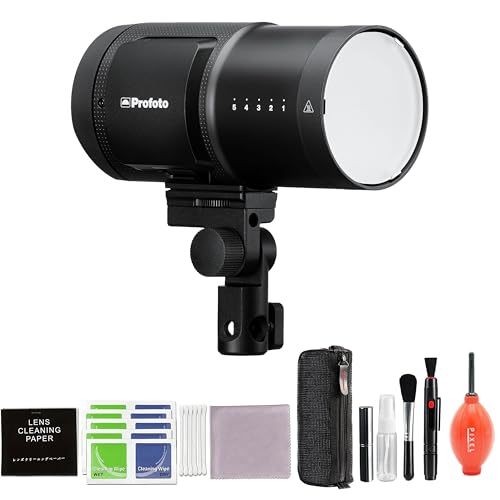
Bundle Accessories - Along with the accessories from Profoto the B20 bundle includes additional accessories such as Blower and Cleaning Kit.

Fully Support TTL and HSS Embrace More Possi Biltles, Built-in Godox 2.4G wireless X system, compatible with Canon, Nikon, Sony, Fuji, Olympus, Panasonic, and Pentax which with TTL auto flash system. Supports TTL functions such as 1/8000 second high-speed synchronization, which can freeze the action instantly and explore more creative shooting.
The Nature of Manual Flash
Hey! Let’s talk about manual flash mode and how it can really spice up your photography. Using manual flash can be a total game-changer, especially when you’re shooting in controlled environments. The cool part is that you get to decide how powerful the flash is for each shot, ranging anywhere from a super subtle 1/128 to full-on brightness, depending on what your flash can handle.
Now, I know it might sound a bit tricky at first. Unlike the typical TTL mode where the camera does most of the thinking, manual flash means you’re in charge. You might need to experiment a bit at the beginning, and tools like light meters can definitely help. For instance, if you’re shooting outdoors and want to capture a portrait, cranking the flash power up a notch can help illuminate your subject nicely against a bright background. Using external microphones can further enhance your multimedia projects by improving audio quality when capturing videos alongside your photos.
Benefits of Manual Flash
Once you get the hang of using manual flash, it really opens up a whole new world of benefits. One of the biggest perks is having a consistent power output, which is super handy when you’re in a stable environment where both the light and your subject don’t change much. For example, if you’re at a family event indoors with good lighting, you can rely on the same exposure for multiple shots without worrying that each picture will turn out differently.
Another thing to love about manual flash is that it makes your life easier when it comes to editing. When you set your flash power just right during your shoot, you’re more likely to get the kind of results you want right out of the camera. This means less time fiddling around in post-processing. As you keep practicing with manual flash, you’ll notice that your overall photography skills improve, especially as you learn to play with various lighting techniques.
In the end, using manual flash gives you greater control over your shots, which is fantastic for unleashing your creativity. Once you get comfortable with it, you might find yourself experimenting with different flash settings to see how they affect your photos. So, let’s talk about some common scenarios where manual flash really shines! A key advantage is the ability to precisely adjust flash power levels, as seen in many external flashes offering multiple power settings for perfect exposure control.
When to Use Manual Flash
When you’re thinking about using manual flash, it really helps to consider the type of photography you’re doing. For instance, in studio portrait photography, consistent and controlled lighting is key. Manual flash lets you set your exposure exactly how you want it, so every shot looks just right. Imagine fine-tuning the lighting to create that soft, flattering glow on your subject’s face—that’s the beauty of manual settings!
In product photography, using manual flash is a smart move too. It allows you to highlight details without any surprises in lighting from shot to shot. If you’re capturing a shiny watch or a textured fabric, having consistent lighting means your viewer will always see the product as you intended.
Group photography indoors is another perfect scenario for manual flash. It ensures that everyone in the frame—no matter where they stand—is illuminated evenly. Without that, someone standing a bit further away might end up in shadow, which can be frustrating to fix in post-processing.
Lastly, when you’re staging subjects that need stable lighting for the entire shoot, manual flash is a safe bet. It avoids the unpredictability of TTL mode with its auto setting that can lead to fluctuating exposure levels. So, investing your time in mastering manual flash will definitely pay off, especially in those situations where you need lighting to stay consistent. What’s next on your photography journey that you’re curious about?
To further enhance your workflow, pairing manual flash with wireless microphone systems can streamline both your lighting and audio setups for more professional shoots.
Recommended Products

Flashpoint XPLOR Power 1200 Pro Battery Powered Flash System - Flash Head - Power Pack - High-Capacity Battery for AD1200 Pro (36V, 5200mAh) - Battery Charger for AD1200 Pro Battery Powered Flash System - Power Connection Cord - Reflector - Glass Protection Cover - Carrying Bag for AD1200 Pro Battery Powered Flash System - Flashpoint 2-Year USA Warranty

Compatibility: The Profoto A2 Connect Kit is compatible with Canon cameras

Upgraded Version of Godox AD600 Pro: The AD600Pro II Photography Lights Integrates the 40w Bi-Color Modeling Light, Boasts the Latest One-Tap Sync with X3 Trigger, Group Identification Indicator, And an Optimized Color Screen. It Enhances Upgrades in Flash Duration, Battery Life, And Wider Output Range
Comparing TTL and Manual Flash
Hey there! So, let’s chat about TTL and manual flash, because understanding these two can really shape your photography game. TTL, which stands for Through The Lens, is pretty neat. It automatically measures the light for you and tweaks the flash output based on what it sees. This is super helpful when you’re in a fast-paced situation, like a wedding, where the lighting keeps changing.
But there’s a catch—sometimes TTL can be a bit hit or miss, especially if you’re dealing with tricky reflective surfaces or subjects with different colors. Imagine you’re shooting a group photo with both white dresses and dark suits; TTL might struggle to balance those colors properly, leading to inconsistent results.
In contrast, manual flash gives you full control over the flash output. So if you’re in a stable setting like a studio, you can dial in the exact power of the flash. You might need to spend a little extra time adjusting it at first, but once you find that sweet spot, it really allows you to be consistent. For instance, if you’re shooting portraits, you might want the background a bit darker just to emphasize your subject; manual flash can help you achieve that without surprises.
Additionally, just like you protect your camera gear with shockproof designs to avoid damage during shoots, managing your flash settings carefully ensures consistent results and protects the quality of your images.
Recommended Products

100W Industrial Power for Professional Applications: This high-performance CO2 laser engraver can cut up to 1.18" (30mm) in acrylic and up to 0.59" (15mm) in wood, making it ideal for industrial-grade projects, custom fabrication, and complex engraving applications across various non-metal materials.

SOUND ENGINE DESIGN: The Roland Keyboard features four independent sound engines, including acoustic piano, electric piano, organ, and ZEN-core synthesizer engines, delivering a wide range of versatile tones ideal for professional stage performance

🚚【Heavy-Duty Cargo & 500Lbs Weight Capacity】 This 4-wheel electric mobility scooter features a rear cargo hopper and supports up to 465lbs load capacity, ideal for short-trip travel, goods delivery, intra-site transport, gardening, and daily shopping.
Balancing Between TTL and Manual
Hey there! Let’s chat about balancing TTL and manual flash in photography—it’s something that can really up your game. You know how TTL (through-the-lens) is fantastic for fast-paced situations, like capturing moments at weddings or sporting events? It automatically adjusts your flash settings to get the right exposure quickly, which means you can snag those candid shots without missing a beat.
Now, when you’re in a more controlled setting, like taking studio portraits, switching to manual mode gives you extra control over your lighting and exposure. For example, you might start with TTL to see how the light looks in a new environment, and once you get a feel for it, you can fine-tune your settings manually for a polished result. This way, you’re adapting to the scene and using ambient light effectively.
Balancing between these two modes might seem tricky at first, but once you get the hang of it, you’ll find it enhances your photography experience significantly. Many newer DSLR cameras also come with advanced autofocus systems that work seamlessly with both flash modes to optimize image sharpness. So, next time you’re out shooting, play around with both methods and see how they complement each other!
Tips for Flash Photography Success
If you want to excel in flash photography, it’s super important to get a good grasp of both TTL and manual flash modes. Think of TTL as your automatic pilot—it’s great for fast-paced situations like capturing a wedding or a lively party, where the light and action are constantly changing. On the other hand, manual flash gives you full control, making it perfect for situations like portrait photography where you know exactly where your subject will be and how much light they need.
Another tip is to understand flash exposure compensation, or FEC. This little adjustment allows you to perfect your lighting when it gets tricky. For instance, if you’re photographing someone against a bright window, you might need to dial down the flash to avoid a washed-out look. Plus, investing in a good light meter can really pay off. It helps you gauge the exact flash power you need, so you won’t have to waste time taking test shots to figure it out.
Using gear with quick-release features can also help you switch between different flash setups quickly and efficiently during shoots.
Recommended Products

🎁🎁🎁【2 Years of Ink & Powder with Your DTF Printer!】Get 5x250ml inks + 500g powder every 2 months for 24 months—just cover shipping. Keep your DTF business running smoothly.
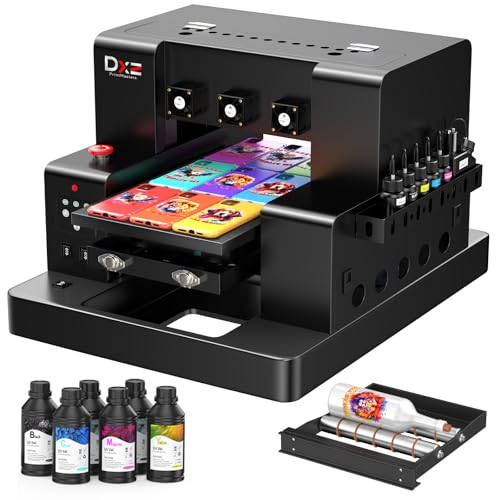
Enhanced UV Printer - The upgraded version of DXZ UV Printer features a white ink mixing system, automatic cleaning function to prevent clogging and protect your printer. It can also print embossed effects, giving your prints a more professional look.

🎁🎁🎁【2 Years of Ink & Powder with Your DTF Printer!】Get 5x250ml inks + 500g powder every 2 months for 24 months—just cover shipping. Keep your DTF business running smoothly.
Resources for Improving Flash Skills
Hey there! If you’re looking to boost your flash photography skills, you’re in the right place. Using the right resources can really help you get the hang of things. For instance, check out Kelley Hoagland’s FREE Quick-Start Course—it’s a great way to learn how to make the most of your camera.
Understanding the difference between TTL (through-the-lens) and manual modes is key. In basic terms, TTL does a lot of the thinking for you, adjusting the flash output based on your scene. On the other hand, manual mode gives you full control, allowing you to set the flash power exactly how you want it. A handy tool to consider is a light meter, like the Lumu Power 2. With this, you can measure the light in your setup to ensure you’re getting consistent results—no more guessing.
Also, don’t overlook online tutorials that highlight common flash mistakes; they can really fine-tune your technique. Participating in community forums can be super helpful too. You can share your struggles, get tips from others, and troubleshoot together.
When using off-camera flash setups, incorporating a sturdy quick release plate can enhance stability and ease of adjustments during your shoot.
As you explore these resources, you’ll gradually build your confidence and start capturing those beautifully lit images you’ve been dreaming of! Now, let’s talk about some practical tips you can apply on your next shoot.
Recommended Products

DESIGNED FOR CONVENIENCE ON LOCATION AND IN THE STUDIO: This 3-foot x 4-foot collapsible rectagnular softbox is a portable light modifier for photographers that directs a specular light with a reflective silver interior

DESIGNED FOR CONVENIENCE ON LOCATION AND IN THE STUDIO: This 48-inch (120cm) collapsible octangular softbox is a portable light modifier for photographers that directs a specular light with a reflective silver interior and includes a light mount for Profoto mount lights

DESIGNED FOR CONVENIENCE ON LOCATION AND IN THE STUDIO: This 1-foot x 4-foot collapsible stripbank softbox is a portable light modifier for photographers that directs a specular light with a reflective silver interior
Frequently Asked Questions
Why Use TTL Flash?
We love using TTL flash for its automatic exposure and quick adjustments, making it beginner-friendly. It enhances low light performance and excels in event shooting and portrait photography, allowing us to focus on capturing moments effortlessly.
Does TTL Flash Work in Manual Mode?
TTL flash doesn’t work in manual mode. While we might miss the automatic convenience, embracing manual settings gives us greater exposure control and allows creative lighting, especially for both indoor and outdoor shooting in flash photography.
What’s the Best Flash Mode to Use?
For event photography and portrait setups, we often prefer TTL for quick adjustments. But for creative lighting and precise control, especially outdoors or using bounce techniques, manual flash gives us stunning flash exposure and consistent lighting ratios.
What Is the TTL on Godox Flash?
TTL on Godox flash gives us automatic exposure through precise light metering, allowing for creative control. It enables exposure compensation, flash synchronization, and wireless triggering for on-camera usage, making it ideal for dynamic shooting environments.