As an Amazon Associate, we earn from qualifying purchases. Some links on this site are affiliate links at no extra cost to you. Our recommendations are based on thorough research and editorial judgment.


CPL Filters Explained: Reflections, Skies, and When Not to Use One

CPL filters, or Circular Polarizing Filters, help us reduce glare and enhance colors in photography. They work best for landscapes, improving skies and reducing reflections from water and glass. However, we should avoid using them in low light, as they can darken images. They’re not great for night photography either. Understanding when to use these filters can enhance our photography skills, and we’ll explore specific situations and tips to maximize their effectiveness.
Key Takeaways
- CPL filters effectively reduce glare and reflections, making them ideal for shiny surfaces like water and glass.
- They enhance color saturation and contrast, especially in landscapes featuring blue skies and autumn foliage.
- Use CPL filters outdoors under sunlight for optimal results, as they may decrease light intake by 1.5 to 2 stops.
- Avoid using CPL filters in low light or night photography, as they can darken images and restrict light.
- Refrain from using them for portraits, as they can alter skin tones and create uneven color effects.
Understanding Circular Polarizing Filters
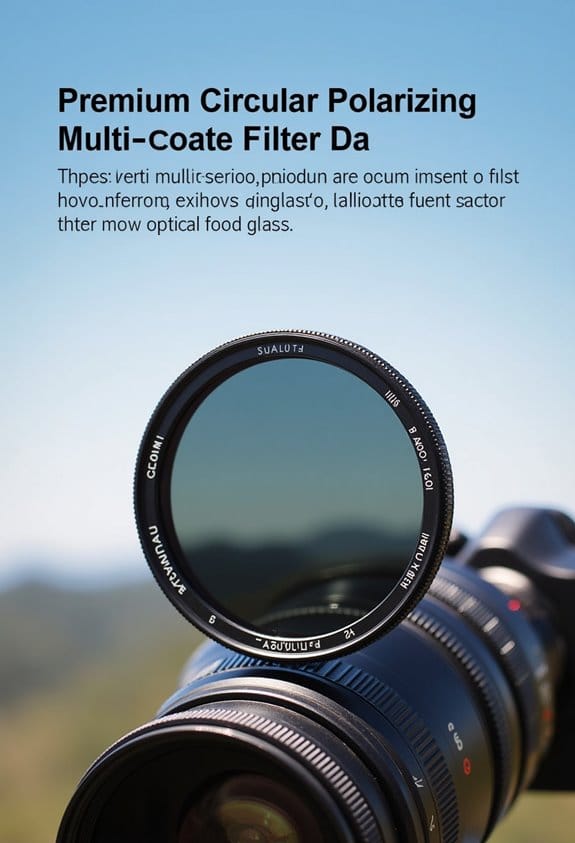
Hey there! So, when it comes to photography, understanding Circular Polarizing Filters (CPL) is super important for capturing stunning images. Imagine being able to cut down glare and reflections from shiny surfaces like water or glass—pretty handy, right? A CPL filter has two layers of glass you can spin around, which helps with that.
Let’s say you’re out in a beautiful landscape. If you use a CPL filter on a bright, sunny day, you’ll notice that those deep blue skies just pop, and the greens of the trees become so much richer. To get the best results, position yourself so that the light hits your lens at a 90-degree angle. However, a word of caution: if you’re in low light, steer clear of using a CPL filter since it will reduce the amount of light that gets into your camera. Also, if you’re shooting with a wide-angle lens, be careful—because you might end up with those annoying dark patches in your pictures from uneven polarization. Many photographers opt for ultra-slim design filters to avoid vignetting issues, especially when using wide-angle lenses.
Benefits of Using CPL Filters
Hey, have you ever heard of CPL filters? They can really boost your photography game! Essentially, these Circular Polarizing Lens filters work wonders by cutting down on glare and reflections, which is super helpful when you’re shooting over water or even through windows. For instance, if you’re at a lake and want to capture that stunning sunset, a CPL filter will help you see through the water surface and make the colors pop.
Not only do they enhance clarity in your photos, but they also make colors more vibrant. Imagine those bright blue skies and lush green landscapes that look even better with a CPL filter. This means you get to highlight details you might otherwise miss. It’s like turning the contrast up on your camera—a little tweak that can transform your images.
Plus, if you’re photographing distant mountains on a hazy day, a CPL filter can help clear up that aerial haze. This makes your subjects appear more defined and close, adding depth to your photos. So, if you’re looking to tell a more compelling visual story, consider adding a CPL filter to your toolkit. It’s a simple way to elevate your photography without overcomplicating things!
Additionally, pairing CPL filters with other lens accessories like ND filters can take your creative control even further.
Recommended Products

【Shoot Like DSLR】This clip-on CPL filter kit from K&F CONCEPT includes a K&F CONCEPT Nano-K series CPL filter and a clip for phone, it is fit for travel shots, street photography, outdoor landscape, and time-lapse photography, Instagram, weddings, vacations, and other fun shooting, etc. For reflection reduction, keep the lens at 30–40° to the surface. For sky enhancement, shoot sideways (90°) to the sun. Adjust as needed.

Enhance Color & Contrast: CPL filter can enhance the color and contrast, and remove non-metallic reflections such as water, and glass to show the true color, especially used in white cloud and blue sky photography.

Vivid Images: Eliminate unwanted reflections from non-metallic surfaces like water and glass, and boost color and contrast for captivating photos. Capture stunning images with reduced reflections and enhanced colors.
Ideal Situations for CPL Filter Usage
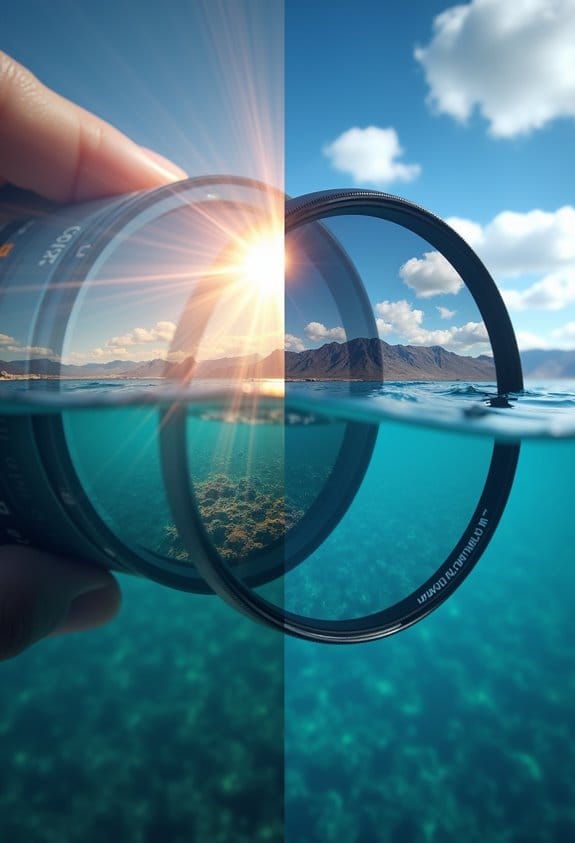
Hey there! Have you ever heard of a circular polarizing filter? It’s a fantastic tool for photographers, and there are some perfect situations where it really shines. For instance, when you’re out capturing landscapes, a CPL filter works wonders for reducing reflections on water and shiny surfaces like glass. This means you can actually see those beautiful details under the water instead of just a glare.
Another cool thing about CPL filters is how they make the sky pop! They enhance those rich blue tones and help define clouds, giving your images a great contrast and saturation. If you’re shooting during autumn, you’ll notice how they can make greens in foliage look deeper and more vibrant, which can really highlight the beauty of the season.
And let’s not forget about outdoor portraits. Using a CPL filter can help cut down on skin glare and boost contrast in your images, all while keeping colors true to life. Just think about how amazing a portrait can look when the skin tones are even and radiant!
To maintain the quality of your lens and filter, it’s essential to regularly clean them using microfiber cloths designed specifically for delicate camera equipment.
Recommended Products

Circular polarizer--one of the most popular special-effect filters

True Color Experience: With advanced titanium coating technology, it ensures accurate color reproduction and eliminates any unwanted yellowish tint in your images and videos, delivering authentic and vibrant colors.
When to Avoid Using a CPL Filter
Hey there! So, you know how great a circular polarizing filter (CPL) can be for enhancing your photos? Well, there are definitely some situations where you might want to skip using one. For example, if you’re photographing colorful reflections—like in water or on a shiny car—CPL filters can actually tone those reflections down too much, which might take away some of the vibrance that makes the scene pop.
And think about low-light conditions—using a CPL filter here can restrict the amount of light getting to your camera’s sensor. This could lead to darker images or even motion blur if you’re trying to capture something moving. Night photography is another tricky spot because these filters further limit light intake, making problems with glare even worse.
On top of that, if you’re working with wide-angle lenses, you might end up with uneven polarization. This can create awkward dark and light patches in the sky that don’t look all that great. And if you’re shooting portraits, it’s best to leave the polarizer off. These filters can slow down your shutter speed and mess with skin tones, making your subjects look less flattering. Additionally, since image stabilization features can increase power consumption, using a CPL filter that reduces light might force longer exposures, impacting image sharpness.
Applications in Different Photography Types
Have you ever thought about the different types of photography you could explore? Using a circular polarizing filter (CPL) can really elevate your images, no matter which genre you’re focusing on. For instance, in landscape photography, a CPL filter can intensify the blue in the sky and make clouds pop, while also cutting down reflections on water surfaces. This means you’ll get that crisp, clear look that makes nature scenes truly breathtaking.
If you’re into capturing architecture, these filters are super handy too. They work wonders by reducing reflections off glass surfaces so you can see the intricate details of buildings clearly. Imagine snapping a photo of a skyscraper, and instead of an annoying glare, you can appreciate the sleek design.
When it comes to product photography, a CPL filter shines once again. It helps get rid of those pesky reflections on shiny objects, making your product images look polished and appealing. For instance, if you’re photographing a watch, you’ll want to highlight its features without distractions—this filter is your best friend for that!
Outdoor portraits can benefit as well. A CPL filter cuts down on skin glare, allowing your subjects to look more natural and flattering. Think about how much better a photo can turn out when the skin tones look smooth and even, rather than shiny and washed out.
And let’s not overlook vehicle photography! With a CPL filter, you can capture the true color and texture of a car while minimizing glare on its surface. This means you’ll be able to showcase all those sleek lines and details that make a vehicle stand out.
Using cameras with high ISO range capabilities can complement the effects of a CPL filter by allowing better control in varying light conditions.
Recommended Products

【Reduces Glare & Enhances Color】: This 67mm CPL filter is a must - have for photography enthusiasts. Using advanced optical glass, rotate the filter to adjust it for optimal results, can accurately filter the polarized components of light, effectively get rid of harsh reflections on water, glass, plant leaves and other non-metallic surfaces. Enhances the purity and saturation of colors in your landscape photos, giving them a strong visual impact and helping you capture the true beauty of nature.

【CPL-600 Filter】Exclusive Compatibility for VIOFO A329S / A229 Ultra Rear Camera, provides unparalleled protection and image enhancement.
Tips for Maximizing CPL Filter Effectiveness
Hey! If you’re looking to get the most out of your circular polarizing filter (CPL), let me share a few tips that work like a charm. First off, positioning is key. Place your camera at about a 90-degree angle to the light source. This simple trick not only enhances colors but also cuts down on unwanted reflections. For example, if you’re shooting a landscape with a bright sky and some water, this angle makes the blues pop without pesky glare.
Next, when you attach your CPL filter, don’t forget to rotate the outer ring while watching the effect on your viewfinder or LCD screen. This will help you find that sweet spot for polarization. It’s especially beneficial to use a CPL when it’s sunny outside since these filters can cut down on the amount of light—about 1.5 to 2 stops—making them less ideal in low-light situations.
Also, don’t hesitate to take multiple shots: try some with the filter and some without to really see the difference. This way, you’ll figure out when and how to use your CPL filter best. It’s all about experimenting and finding what works for you. Plus, once you get the hang of it, you’ll have a lot of fun playing with light and color in your photography! Using a gray card alongside your CPL filter can further improve color balance and exposure accuracy in tricky lighting conditions.
Recommended Products

This CPL is compatible to the front camera of F7N series(Not suitable for F7NA/F17/F9/F8/F4)

Circular polarizer--one of the most popular special-effect filters
Frequently Asked Questions
How Do CPL Filters Affect Exposure Settings in Photography?
CPL filters can indeed impact our exposure settings. We’ll need to adjust our shutter speed and aperture for accurate metering. Using light meters and analyzing histograms helps us navigate low light challenges and dynamic range considerations effectively.
Can CPL Filters Be Used With Any Camera Lens?
CPL filters aren’t universally compatible; they depend on lens types, filter sizes, and camera mounts. By exploring various filter brands, we can enhance our photography techniques, improving landscape and urban photography while providing lens protection.
Do CPL Filters Have Any Impact on Image Quality?
CPL filters can enhance image sharpness, color saturation, and contrast while reducing glare. However, filter quality affects optical clarity and light transmission. In certain shooting conditions, they may introduce lens distortion, complicating post-processing effects.
How Do I Clean and Maintain My CPL Filter?
Like a garden needs regular care, our CPL filter deserves cleaning techniques. We should use gentle cleaning solutions and tools, store it in a case, and maintain it frequently to prevent scratches and guarantee lens compatibility.
What Are the Differences Between CPL and Linear Polarizing Filters?
CPL filters enhance color and contrast, while linear filters feature different light polarization characteristics. We’ll find CPLs more effective in various photography styles, ensuring compatibility across lenses, suitable for many usage scenarios and filter types.