As an Amazon Associate, we earn from qualifying purchases. Some links on this site are affiliate links at no extra cost to you. Our recommendations are based on thorough research and editorial judgment.


Wildlife Photography Basics: Autofocus, Shutter Speed, and Tracking

In wildlife photography, understanding autofocus, shutter speed, and tracking is essential. We should use Single Servo (AF-S) for still animals and Continuous Servo (AF-C) for those in motion. A shutter speed of at least 1/500 seconds is crucial to freeze action, increasing to 1/3200 seconds for fast birds. Effective tracking techniques include anticipating movement and adjusting focus points. By mastering these concepts, we can dramatically improve our wildlife photography skills and capture stunning images. More insights await as we explore deeper topics.
Key Takeaways
- Use Continuous Servo (AF-C) mode for tracking fast-moving wildlife, ensuring accurate focus adjustments during action.
- Set shutter speeds of at least 1/500 seconds to freeze motion and capture sharp images of animals.
- Select a single autofocus point to target specific subjects, minimizing distractions from the background.
- Utilize a wide aperture (f/2.8 to f/5.6) for better light intake and subject isolation in wildlife photography.
- Anticipate animal movements and practice burst shooting to capture critical moments effectively.
Understanding Autofocus for Wildlife Photography
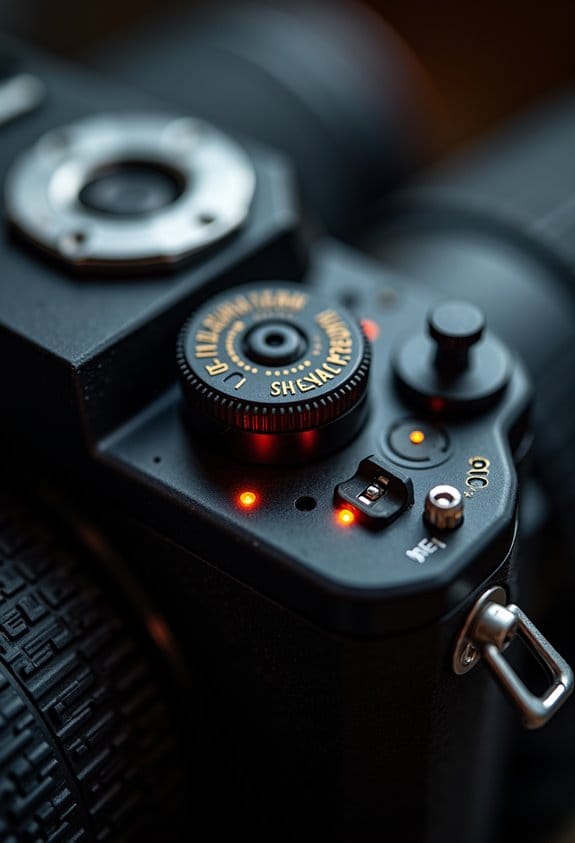
When it comes to wildlife photography, understanding autofocus is absolutely crucial for capturing those sharp, stunning images. There are two main autofocus modes you’ll want to be familiar with: Single Servo (AF-S) and Continuous Servo (AF-C). AF-S is perfect when you’re photographing a still animal—like a deer resting in the shade—where you can lock focus and take your shot. On the other hand, AF-C is what you’ll need when you’re trying to keep up with something fast-moving, like a bird swooping through the sky.
Using smaller autofocus points can really help you hone in on your subject, especially if there are distracting elements in the background. Imagine you’re photographing a bird perched on a branch surrounded by busy foliage; using a small point allows you to make sure you focus on the bird, not the leaves nearby. You’ll also want to adjust your autofocus settings based on what you’re shooting and the lighting conditions—what works for, say, an owl at dusk might not suit a playful fox in bright daylight.
Another handy trick is to use Back-Button Autofocus. This lets you separate the focus control from your shutter release, giving you more flexibility to keep your subjects in sharp focus as they move. Picture this: you’re at a wildlife reserve, and a cheetah suddenly takes off. By using Back-Button Autofocus, you can track it smoothly without worrying about losing focus.
With these tips, you’ll be better equipped to capture breathtaking moments in the wild. Next, let’s talk about some composition techniques that can complement your autofocus skills! Additionally, having a camera equipped with Dual Pixel CMOS AF technology can significantly enhance your autofocus performance, especially in challenging lighting conditions.
The Importance of Shutter Speed
Hey there! So, let’s chat about shutter speed and why it’s super important in wildlife photography. Shutter speed basically determines how quickly your camera takes a photo, and it plays a huge role in how sharp your images turn out. If you’re trying to capture a lively scene with running animals, you’ll want to set your shutter speed to at least 1/500 of a second. This way, you’re freezing the action and avoiding that blurry look.
For faster-moving creatures, like a cheetah sprinting or a hare darting through the grass, crank it up even more—around 1/1600 to 1/2500 seconds. And if you’re lucky enough to catch birds in flight, you’ll need to go even faster, often between 1/3200 to 1/5000 seconds. The longer your camera lens is, the more sensitive it is to camera shake, so faster shutter speeds become essential.
Now, if you find yourself shooting in lower light, don’t worry! You can bump up your ISO settings. This helps you keep those high shutter speeds without ending up with blurry images. Ultimately, nailing that fast shutter speed is key to getting those crisp, dynamic shots that make you feel like you’re right there in the action. Speaking of which, let’s explore how lighting can also affect your wildlife photography!
Remember, carrying your camera gear safely is crucial, so investing in a durable camera bag protects your equipment during your outdoor shoots.
Techniques for Effective Tracking
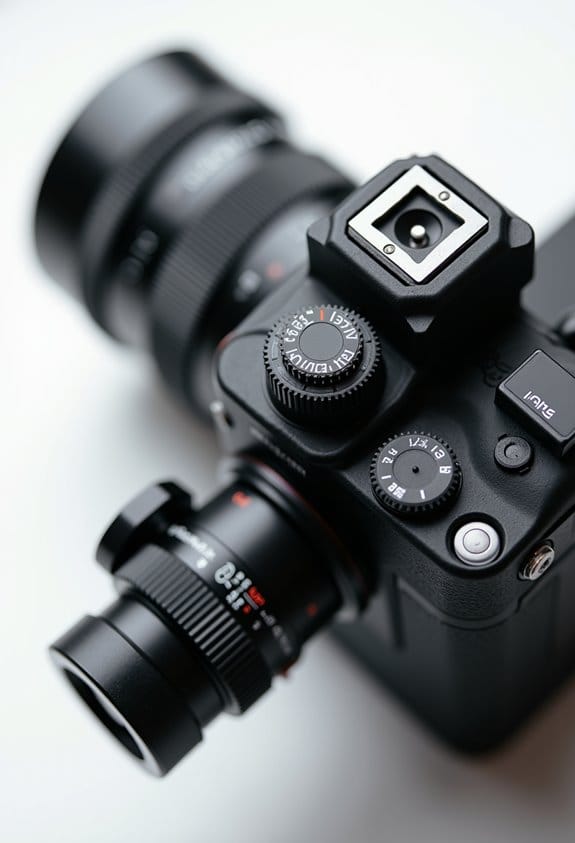
Hey! If you want to capture those breathtaking wildlife photographs, effective tracking is key, especially when the animals are moving around a lot. You should definitely try using continuous autofocus (AF-C) mode; it adjusts quickly as those fast-moving creatures dart by. This feature is really handy because it allows the camera to keep up with the animal, which ups your chances of snagging a sharp image.
Now, here’s a little trick: you can manually select a single focus point. This helps you avoid focusing on things like branches or leaves that might distract from your subject. And don’t forget about burst shooting! Taking several frames per second is a fantastic way to catch that perfect moment when your subject strikes a pose or makes an exciting move.
Also, it’s a good idea to get comfortable with your autofocus settings and try out back-button focus. These techniques can dramatically streamline your tracking skills when photographing moving wildlife. Now that you’ve got the basics down, let’s talk about how to position yourself for the best shots!
Choosing a mirrorless camera with advanced autofocus points can greatly improve your ability to track and capture fast-moving wildlife.
How to Set Up Your Camera for Moving Subjects
Hey there! So, if you’re wanting to capture some cool shots of moving subjects, it’s super important to set your camera up just right. First things first, you’ll want to switch your autofocus to continuous mode, also known as AF-C. This is a lifesaver for fast-moving scenes, like a bird in flight or a sprinter on the track, because it keeps your focus locked on your subject as they move around.
Next, let’s talk about the shutter speed. Aim for at least 1/1000 of a second or even faster if you can. This quick speed really helps freeze the action. For instance, if you’re photographing a dog running, that fast shutter speed will help you catch every joyful leap in perfect clarity.
You can also simplify your focus by selecting a single autofocus point. This way, you can precisely target your subject, whether it’s a cyclist zipping by or your kid playing soccer. Plus, if you switch to aperture priority mode, keeping your aperture around f/4 or f/5.6 will let in more light and support those fast shutter speeds, especially in shady spots. Finally, consider using back-button autofocus. This technique allows you to keep tracking your subject’s movement without accidentally focusing when you press the shutter button.
Using a flip screen camera can also make it easier to track and compose shots of moving subjects from various angles.
Once you nail these settings, you’ll be all set to capture some amazing action shots! Now let’s explore how to frame your shots to really make those moving subjects pop.
Tips for Capturing Action in Wildlife Photography
When we head out into the wild to capture those breathtaking wildlife action shots, being prepared is everything! You definitely want to have a fast shutter speed—aim for at least 1/500 seconds to really freeze the action. For faster animals, like a deer in full sprint, you might even crank that up to 1/1000 seconds or more. This way, you won’t miss that perfect moment when they leap over a log or bound through the grass.
Another tip? Continuous autofocus is your best friend when tracking moving subjects. It keeps your camera locked on the animal, even when they dart around. Switching to burst mode lets you snap a series of shots in quick succession. So, if you’re photographing a bird taking off, you’ll have multiple images to choose from, hopefully capturing that incredible moment of lift-off.
Focusing on a single autofocus point can also help zero in on your subject, which means sharper images. And if you can anticipate where the animal is likely to go, pre-focusing on that path can significantly boost your chances of nailing that shot. Remember, nature is unpredictable, but these strategies can really help you seize the moment. Now, let’s explore more techniques for getting your composition just right in those split-second scenarios.
Using a camera with Dual Detect Optical VR can further stabilize your shots, especially when using high zoom levels to capture distant subjects.
Balancing Settings for Optimal Exposure
Capturing wildlife in action is an exciting challenge, but getting the right exposure is just as crucial to making those images pop! To nail that perfect shot, you need to find the right balance between shutter speed, aperture, and ISO. For instance, if you’re photographing a bird in flight, you’ll want to set your shutter speed to at least 1/500 seconds. This helps eliminate any motion blur that could ruin a great shot.
Next, let’s talk about aperture. A wide aperture, say around f/2.8 to f/5.6, can work wonders. It not only allows more light into your camera, but it also creates a beautiful blurred background, making your subject stand out. If you find yourself in low-light conditions, it’s time to boost your ISO to keep that fast shutter speed while managing to minimize noise.
And don’t forget about exposure compensation! In high-contrast scenes, like a sunset with dark silhouettes, dialing up your exposure compensation by +1 or +2 stops can really help your subject shine through all the brightness. Once you get a hang of these settings, you’ll be well on your way to capturing stunning wildlife images that tell a story. So, what’s next on your photography adventure? Using padded camera hand straps can also improve your comfort and grip during long outdoor shoots.
Frequently Asked Questions
What Equipment Is Best for Beginner Wildlife Photographers?
For beginner wildlife photographers, we recommend a DSLR or mirrorless camera, versatile zoom lenses, a sturdy tripod, essential accessories, and budget-friendly options. Let’s prioritize image quality, portability, and wildlife ethics while comparing brands and maintaining our gear.
How Can I Improve My Photography Skills Quickly?
To quickly enhance our photography skills, let’s explore composition techniques and shooting angles, utilize lighting effects and editing software, practice in the field, embrace our environment, and cultivate patience while seeking inspiration from various sources.
What Types of Wildlife Are Easiest to Photograph?
We’ve found bird species and urban wildlife easiest to photograph due to their accessibility. Mammal behavior, seasonal changes, and migration patterns also offer chances, but rare sightings and nocturnal creatures can challenge our skills beautifully.
How Do Weather Conditions Affect Wildlife Photography?
Did you know that 70% of wildlife photographers cite weather conditions as a significant challenge? Rainy conditions and fog can alter lighting, while temperature extremes and wind impact animal behavior, creating both challenges and stunning sunset opportunities.
Can I Take Wildlife Photos With a Smartphone?
Yes, we can take wildlife photos with our smartphones! By leveraging smartphone capabilities, photography apps, and lens attachments, we enhance wildlife compositions, improve low light performance, and utilize focus modes and editing software for stunning outdoor shots.