As an Amazon Associate, we earn from qualifying purchases. Some links on this site are affiliate links at no extra cost to you. Our recommendations are based on thorough research and editorial judgment.


Silent Shooting Explained: Pros, Cons, Banding, and Flicker

Silent shutter mode lets us capture images quietly by using electronic shutters, which replace the traditional mechanical ones. This can be great for discreet photography, but it comes with challenges, such as rolling shutter distortion with fast-moving subjects and banding when shooting under flickering lights. We also can’t use external flashes in this mode, limiting our lighting options. By being aware of these issues, we can improve our photography skills and achieve better results. More insights follow.
Key Takeaways
- Silent shutter mode enables quiet photography by using electronic shutters, eliminating the mechanical clicking noise of traditional shutters.
- Advantages include fast shutter speeds up to 1/64000 seconds and the ability to capture high-speed action at 195 frames per second.
- Disadvantages involve rolling shutter distortion for fast-moving subjects and the inability to use external flash, limiting lighting options.
- Banding and exposure issues may occur under flickering lights, requiring careful synchronization of shutter speed and lighting conditions.
- Optimal shutter speeds of 1/50 or 1/100 seconds can mitigate banding effects in environments with fluorescent lighting.
Understanding Silent Shutter Mode

Have you ever heard about silent shutter mode? It’s a cool feature that many modern cameras have, and it lets you take photos quietly and discreetly. Basically, with silent shutter mode, your camera uses electronic shutters instead of the traditional mechanical ones, which means no loud clicking noises that could draw attention.
But, like all good things, it comes with a few downsides. For example, if you’re photographing fast-moving subjects—like kids playing or cars racing—you might notice some weird warping or stretching in your images due to rolling shutter distortion. Also, if you enjoy using a flash to light up your shots, be aware that silent shooting usually disables it, since electronic shutters and flash bursts don’t play nicely together.
Another thing to keep in mind is that if you’re shooting under flickering lights, like those in a gym or a club, you could end up with banding in your images. This means that some areas of your photos might have uneven exposure. Plus, if you’re using a lower-end camera model, you might notice that the image quality isn’t as good, particularly in the shadows and highlights. Many advanced mirrorless cameras feature in-body stabilization to help improve image quality and reduce blur, even when using silent shutter mode.
Advantages of Electronic Shutters

Hey, have you ever wondered about electronic shutters in cameras? Some folks might think they’re just another tech gimmick, but they actually come with some pretty cool advantages. For starters, they let you shoot with super-fast shutter speeds—think 1/64000 of a second! That’s incredible for freezing those quick moments, like a bird in flight or a soccer player making an impressive jump.
And it doesn’t stop there. With electronic shutters, you can capture up to 195 frames per second. Can you imagine the possibilities for action shots? Whether you’re at a fast-paced sporting event or trying to capture the perfect moment during a wedding, this feature really comes in handy. Plus, because they’re silent, you can snap away at a concert without being disruptive—you’ll be the stealthy photographer in the corner capturing candid moments.
Another neat benefit is the reduction of camera shake. Since electronic shutters don’t have any mechanical parts moving around, your images can come out sharper and clearer. This means you can focus more on getting the shot instead of worrying about motion blur. Plus, you can get creative with your photography, capturing subtle moments without interrupting the scene. It avoids those dreaded issues like banding or uneven exposure that sometimes mess with our shots.
To keep your gear safe and organized while taking advantage of these features, consider using a Shimoda Core Unit designed for mirrorless cameras, offering durability and efficient access in the field.
Recommended Products
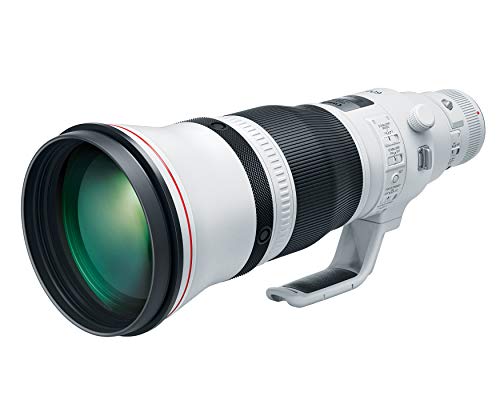
Revised Optics for a lighter Super telephoto EF L Lens

Revised Optics for a lighter Super telephoto EF L Lens
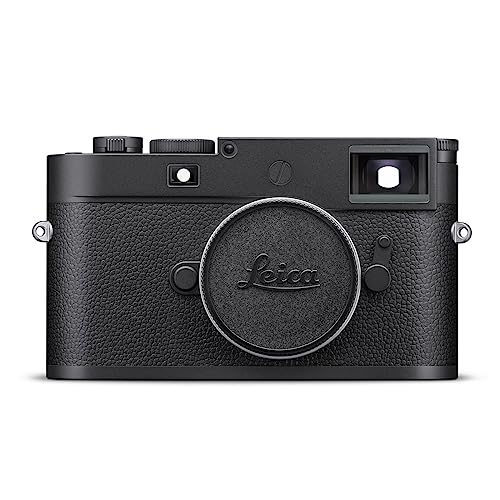
The M11 Monochrom leverages the M11's high-res back-illuminated sensor. It modifies the 60MP full-frame CMOS by removing the color filter array (CFA), enabling exclusive capture of monochromatic images with enhanced clarity, depth, and resolution using luminance values. This omission expands the sensitivity range to ISO 125-200000, surpassing color-enabled M11 cameras.
Disadvantages and Challenges

Hey there! So, let’s chat about electronic shutters and what you need to know. While these shutters come with some cool perks, they also bring along their share of disadvantages and challenges that every photographer should keep in mind.
For instance, have you ever taken a photo of a fast-moving subject, like a cyclist zooming by? You might notice something called the rolling shutter effect, where the image looks a bit distorted because the camera’s sensor reads the scene line-by-line rather than all at once. It can definitely throw off your shot if you’re aiming to capture that perfect moment.
Another thing to think about is the silent shooting mode. Sounds great, right? But here’s the catch: many cameras won’t allow you to use a flash when you’re in that mode. So, if you want to use external lighting, you’ll need to switch back to a mechanical shutter. Plus, if you’re using an entry-level camera, you might find the dynamic range isn’t as expansive, which can lead to loss of detail in the bright and dark areas of your photos.
And don’t forget about banding. This is what happens when your shutter speed isn’t in sync with the flickering of artificial lights, resulting in those annoying visible lines on your images. Understanding these potential pitfalls is key, especially when you’re shooting under tricky lighting or capturing quick movements.
With these challenges in mind, it becomes clear how important it is to weigh the pros and cons before jumping into a shoot. A reliable tripod stand can help stabilize your shots and minimize some shutter-related distortions. So, now that we’ve covered that, let’s look at some tips to effectively use electronic shutters and keep those unexpected issues at bay!
Banding and Flicker Issues
Hey there! So, let’s chat about banding and flicker issues that can really throw a wrench into your photography, especially when you’re using electronic shutters in places with artificial light. You know how when you’re shooting silently, the electronic shutter captures image data one line at a time? That can lead to some weird exposure problems, particularly with fluorescent lights. For example, these lights flicker at a certain rate, and if your shutter speed doesn’t sync up with those cycles—like using 1/80 of a second—you might end up with some uneven exposure across your images.
Now, if you’re trying to shoot fast-moving subjects, be aware that the electronic shutter activates rows of pixels differently. This can cause distortion, so it’s best to keep your shutter speeds a little higher, like at 1/100 sec, to reduce banding and get a more consistent exposure under artificial lighting. It’s all about staying in tune with that flicker rate! So next time you’re in a setting with fluorescent lights, just think about adjusting your settings to avoid those pesky banding issues. It’s a small tweak that can make a big difference in your final shot. Ready to explore more about shutter speeds? Keep in mind that 4K video recording settings may demand particular attention to flicker to maintain smooth footage quality.
Practical Tips for Photographers
When we’re out shooting, especially in tricky lighting situations, there are some practical tips that can really enhance our results. For instance, if you’re using silent shutter mode, just remember that it can create rolling shutter effects, especially with fast-moving subjects. So, if you’re capturing something like a cyclist zooming by, you might want to switch to the mechanical shutter. This mode is also a must when you’re using flash, since silent mode usually disables that feature.
Another aspect to think about is the shutter speed. To reduce banding in your photos, try using shutter speeds like 1/50 or 1/100 seconds, which can sync nicely with lights that operate on 50 or 60 Hz. If you’re in a place with flickering lights, like at a concert, play around with different shutter speeds to see which one captures the best results.
All of this emphasizes just how vital lighting is to our photos—it can completely change the mood and look of your image. so, that’s definitely something to keep front of mind next time you’re out capturing scenes! For added precision with moving subjects, consider using back button focus to lock focus quickly and maintain sharpness in dynamic environments.
Recommended Products
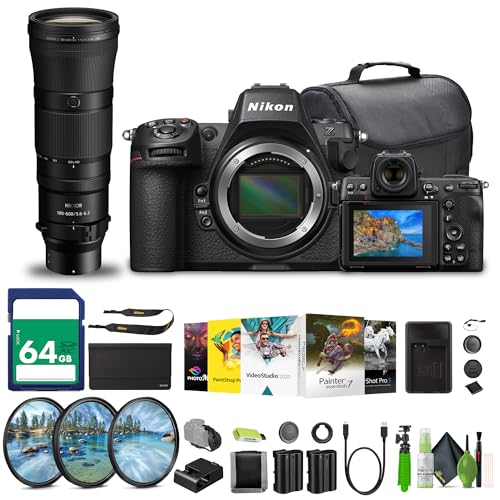
Bundle Items Include:Nikon Z8 Professional Full Frame Mirrorless 8K Video & Stills Hybrid FX Camera, Nikon NIKKOR Z 180-600mm f/5.6-6.3 VR Lens (Nikon Z), 64GB Memory Card, EN-EL15c Replacement Battery, External Battery Charger, Soft Bag, Photo Editing Software, Memory Card Reader, 3 Piece Filter Kit, 12" Flexible Tripod, Cleaning Kit, Memory Card Wallet, Hand Strap, Lens Cap Keeper

High Image Quality: Canon EOS R3 is small video camera that features a stacked, back-side illuminated 24.1-megapixel full-frame CMOS sensor for phenomenal low-light performance, image clarity and level of detail

Bundle Items Include:Nikon Z8 Professional Full Frame Mirrorless 8K Video & Stills Hybrid FX Camera, 64GB Memory Card, EN-EL15c Replacement Battery, External Battery Charger, Soft Bag, Photo Editing Software, Memory Card Reader, 12" Flexible Tripod, Cleaning Kit, Memory Card Wallet, Hand Strap
Frequently Asked Questions
Does Silent Shutter Cause Banding?
Yes, silent shutter can cause banding. It often happens under specific light conditions; using faster shutter speeds can exacerbate image artifacts linked to sensor readout, impacting exposure settings across various camera brands and photography techniques.
What Are the Downsides of Silent Shutter?
Silent shutter can lead to issues like subject distortion, motion blur, and lower image quality. We may also face challenges with flash synchronization, battery drain, and compatibility, particularly in low light—with potential electronic noise affecting our workflow.
Is Silent Shutter Better?
We think silent shutter’s great for noise reduction and low light performance in mirrorless cameras, but it has downsides like potential motion blur and issues with exposure settings. Ultimately, it depends on our photography techniques and needs.
How to Avoid Light Banding in Photography?
To avoid light banding in photography, we must master our light settings, control timing, adjust exposure with shutter speed and ISO, choose suitable lenses, and confirm our shooting environment has ideal light sources for dynamic range.


