As an Amazon Associate, we earn from qualifying purchases. Some links on this site are affiliate links at no extra cost to you. Our recommendations are based on thorough research and editorial judgment.


Choosing a Portrait Lens for APS-C Vs Full Frame

When choosing a portrait lens, we should consider the differences between APS-C and full-frame sensors. Full-frame sensors create better image quality and shallower depth of field, ideal for beautiful background blur. With a crop factor of 1.6x, an APS-C lens effectively appears longer, which means a 50mm lens on an APS-C camera behaves like an 80mm lens on full-frame. Each system has unique lens options and budget considerations, and there’s much more to explore on this topic.
Key Takeaways
- Choose a 50mm to 85mm lens for APS-C portraits, resembling an 80mm to 135mm equivalent on full-frame cameras.
- For shallow depth of field and bokeh, full-frame lenses, like the RF 85mm f/1.2, outperform APS-C options.
- APS-C cameras often provide budget-friendly alternatives; for example, the Viltrox 27mm f/1.2 is a cost-effective choice.
- Consider a lens’s minimum focusing distance; APS-C systems allow for closer intimate portrait shots.
- Pay attention to wide apertures as they enhance both low-light performance and background blur in portraits across sensor types.
Understanding APS-C and Full-Frame Sensors
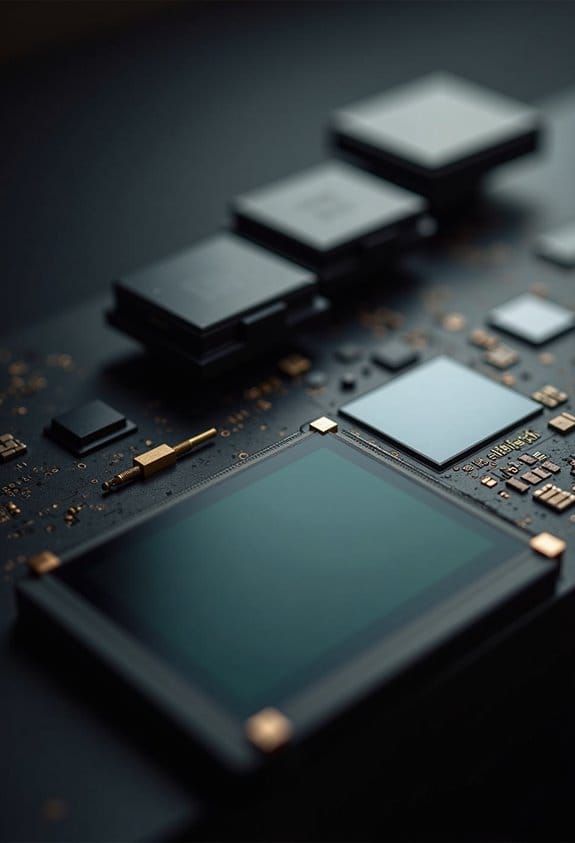
When you’re picking a portrait lens, it’s super important to grasp the difference between APS-C and full-frame sensors. To keep it simple, think of APS-C sensors as being smaller, around 22.2×14.8mm, while full-frame sensors are bigger at 36x24mm. Because of their size, APS-C sensors often come with a crop factor of 1.6x, meaning if you slap a 50mm lens on an APS-C camera, it’ll behave like an 80mm lens on a full-frame one.
Now, what does that mean for your portraits? Well, full-frame sensors usually deliver better image quality, especially in low light. You’ll get crisper shots when the lights dim down. Plus, they allow for a shallower depth of field, which means more beautiful background blur—perfect for making your subject pop! On the other hand, APS-C sensors are often lighter and more budget-friendly, but you might find that they struggle a bit in low-light situations and won’t give you that same creamy bokeh. Many APS-C cameras, such as the Canon EOS Rebel T7, include features like built-in Wi-Fi and NFC to streamline your photography workflow and sharing.
The Importance of Crop Factor in Portrait Photography

You know, understanding crop factor can really boost your portrait photography, especially if you’re using an APS-C camera. For example, if you’re shooting with a Canon APS-C camera, your 50mm lens will actually feel more like an 80mm lens on a full-frame camera because of its 1.6x crop factor. This is awesome when you want to create tighter compositions or isolate your subject better in portraits.
Now, to capture that dreamy background blur we often admire in professional shots, you’ll need to work with wider apertures, like f/1.8. This is a key detail that can influence your lens choices; choosing a lens that allows for that wider aperture helps your subject pop against a softer background. Plus, with APS-C sensors, you can keep more of your subject in focus while still getting the nice separation from the background, which is great for portraits. It’s also important to consider lens compatibility to ensure your chosen lens works optimally with your APS-C camera model.
Focal Length Considerations for APS-C Vs Full-Frame

When you’re picking a lens for portrait photography, understanding focal length is super important, especially when comparing APS-C and full-frame cameras. If you’re using an APS-C sensor, keep in mind that the crop factor is about 1.6. This means that a 50mm lens effectively gives you a field of view similar to an 80mm lens on a full-frame camera. So, if you want that nice compression and flattering perspective for portraits, you’ll typically want to aim for focal lengths around 85mm to 135mm with full-frame, but with APS-C, you’ll want to look at lenses in the 50mm to 85mm range.
Now, one of the cool things about using APS-C lenses is their shorter minimum focusing distance. This allows you to get creatively close to your subjects and capture some really engaging shots. For example, a nice 50mm lens on an APS-C camera could let you isolate a subject perfectly while still including a bit of the background for context. On the flip side, while full-frame cameras might give you that beautiful shallow depth of field and lovely bokeh, remember that wide apertures like f/1.2 or f/2.8 are key during low-light conditions for both setups. This can really elevate the quality of your portraits and make them pop. It’s also important to properly organize and protect your memory cards to keep your valuable portrait images safe after shooting.
Depth of Field Differences in Portraiture
Hey there! Let’s chat about depth of field in portrait photography, because it can really change how we capture our subjects. When you’re using a full-frame camera, you’ll notice that it creates a shallower depth of field than an APS-C sensor does. This means that the background can blur out more dramatically—something we call bokeh—drawing the viewer’s attention right to the person in the photo.
For instance, if you use a 50mm lens on a full-frame camera, it feels like you’re in close and personal with your subject, and that shallow depth of field really makes their features pop. On an APS-C camera, thanks to its crop factor, that same 50mm lens works like an 80mm lens on a full-frame, which is a bit different. If you want to get that dreamy background effect with portraits on an APS-C, you might need to reach for a longer focal length, like an 85mm or 100mm. Using a lens with high optical technology can also help improve image clarity and detail in portraiture.
Lens Options for APS-C Portrait Photography
If you’re getting into portrait photography with your APS-C camera, you’re in for some exciting lens options that can really up your game. One solid pick is the Viltrox 27mm f/1.2, which gives you sharp images and wonderful bokeh that feels very similar to a 43mm lens on full-frame systems. This means your portraits can have that beautiful blurred background while keeping your subject in crisp focus.
Another favorite among photographers is the Sirui 56mm f/1.2. This lens shines when it comes to background separation and making skin tones look natural, making it ideal for those stunning headshots we all love. If you’re working with a Fujifilm camera, consider the XF 50mm f/2. It gives you a 75mm equivalent, which is fantastic for flattering shots with just the right amount of compression.
Don’t overlook the Sigma 56mm f/1.4 either; it’s tailor-made for APS-C mounts and offers a fast aperture that really helps isolate your subjects. Just remember, because of the crop factor with APS-C sensors, you’ll want to keep in mind how it impacts your depth of field compared to full-frame cameras. So as you explore these lens choices, think about what you want to achieve in your portraits—this will guide you in picking the lens that suits your style best! Also, focusing on a lens with a wide aperture range can be crucial for achieving that blurred background effect and optimal light intake in portrait photography.
Lens Options for Full-Frame Portrait Photography
When it comes to full-frame portrait photography, picking the right lens can seriously up your game and help you take some breathtaking shots. For example, lenses like the Canon RF 85mm f/1.2 and the Sony FE 70-200mm f/2.8 are fantastic choices because their wide apertures let you create that lovely blurred background effect, making your subject pop out beautifully.
Also, don’t overlook the Sigma 50mm f/1.4 DG HSM Art lens—it’s known for its sharpness and detail, making your portraits incredibly crisp. Plus, full-frame sensors are great in low-light conditions, so if you find yourself shooting in dimly lit spaces, these lenses will work wonders.
When you’re on the hunt for a lens, look for options with optical stabilization. This feature helps keep your images sharp, especially if you’re shooting handheld. Good autofocus performance also makes a big difference, as it ensures you capture your subject in perfect focus. It’ll really boost how your portraits turn out.
As you explore different lenses, think about how each might fit into your creative vision. What do you want to capture, and which lens will help you achieve that look?
Additionally, considering dual image stabilization in some mirrorless cameras can enhance portrait sharpness by reducing camera shake during handheld shooting.
Comparing Bokeh and Background Blur
So, you know how bokeh is that dreamy, out-of-focus effect in photos? It actually involves a few important factors that can really shape how our portraits turn out. For instance, if you’re using a full-frame camera, you’ll usually get a shallower depth of field. This means you end up with more noticeable bokeh and a smoother background blur compared to cameras with APS-C sensors, which have a crop factor (like 1.6x for Canon).
This crop factor can make things tricky because you might need to use wider-angle lenses to get similar composition in your shots. For example, if you’re shooting with an APS-C camera, instead of a standard 50mm lens, you might find yourself reaching for a 35mm or even a 24mm to achieve that look. And guess what? Opting for lenses that have wide apertures, like f/1.2 or f/1.4, can drastically improve the quality of bokeh in your photos.
Ultimately, the type of lens you choose matters. Things like aperture size and how the lens is designed can drastically affect that creamy background blur you’re after, no matter if you’re shooting with an APS-C or a full-frame camera. It’s all about finding the right combination that fits your style! Cameras with Dual Pixel Autofocus systems, like some Canon models, can also help keep portraits sharply focused while enhancing background blur effects.
Image Quality Analysis Between Sensor Types
Hey! So, let’s chat about the differences in image quality between full-frame and APS-C sensors. This topic is super important for anyone who loves capturing portraits. Full-frame sensors really shine in low-light situations because their larger pixels can capture more light, which means less noise and crisper images when things get a bit dark. For example, if you’re shooting in a dimly lit restaurant, you’ll notice that a full-frame camera will give you a clearer shot with minimal grain compared to its APS-C counterpart.
On the flip side, APS-C sensors have a 1.6x crop factor, which makes them great for reaching distant subjects without needing a super long lens. They might not always perform as well in those tricky lighting situations, but modern APS-C cameras are getting better with detail and dynamic range all the time. Plus, using fast prime lenses on either type can really amp up your sharpness; just keep in mind that full-frame lenses usually offer wider apertures for those dreamy background blurs that help your subject pop. Additionally, understanding the sensor resolution importance helps you choose the right camera for the best balance of detail and file size for portrait work.
Budgeting for APS-C Vs Full-Frame Lenses
When you’re looking at the costs of portrait lenses, it’s really interesting to compare APS-C and full-frame options. Generally speaking, APS-C lenses tend to be much more budget-friendly than full-frame ones. For instance, you can grab the Viltrox 25mm f/1.7 for about $176, which is quite a steal compared to many full-frame lenses that often start at much higher price points.
Think about it in terms of the whole camera system; setting up an APS-C kit can sometimes cost less than half of what a full-frame setup would run you. Now, while it’s true that full-frame portrait lenses might give you a slight edge in image quality, high-quality APS-C alternatives, like the Viltrox 27mm f/1.2 at $578, can still produce stunning results. This means you don’t necessarily have to break the bank to get great shots—it’s all about finding the right balance for your wallet and your photography goals.
If you’re just starting out or on a tighter budget, choosing between APS-C and full-frame can really impact what you can create, so it’s worth weighing your options carefully! Many photographers also consider the ISO range capabilities when selecting a camera system, as APS-C cameras often offer versatile ISO settings that enhance performance in various lighting conditions.
Future Trends in APS-C and Full-Frame Lens Development
You know, as lens technology moves forward, there’s a lot to get excited about when it comes to APS-C and full-frame lenses. I mean, think about it—manufacturers are really stepping up their game with APS-C lenses, making them just as impressive as the full-frame options we’ve traditionally loved. We might see these lenses getting more compact while still packing in advanced tech, which means better options for us photographers.
For instance, imagine having an APS-C lens that not only boasts a wider aperture but also comes with improved optical stabilization. This would really enhance the quality of our images, especially in low-light situations or when we’re shooting handheld. Plus, as we embrace more computational photography, we might find smart features integrated into these lenses that allow for more creative shooting techniques—like automatic adjustments for blurring backgrounds or enhancing details.
As more photography enthusiasts gravitate towards APS-C cameras, it makes perfect sense that we’d see a broader selection of affordable and specialized lenses catering to various styles, like portrait or landscape photography. And let’s not overlook the potential for exciting collaborations between brands; these could lead to innovative products that really understand and meet our needs. All in all, the future looks bright for both APS-C and full-frame systems, and we’re in for some fantastic gear that will help us capture amazing shots! Additionally, improvements in autofocus system efficiency are likely to complement these advancements, providing faster and more precise focusing with new lens designs.
Frequently Asked Questions
What Is the Best Portrait Lens for a Crop Sensor?
For crop sensors, we’ve found great portrait lens options like the Canon EF 50mm f/1.8 or Viltrox 85mm f/1.8. They offer excellent depth of field, image quality, and affordability, perfect for our budget-conscious needs.
Is 35MM APS-C Equivalent to 50MM Full Frame?
When we capture moments, like a painter mirrors landscapes, we see that a 35mm on crop sensors indeed equals about 50mm on full frames. Understanding crop sensor advantages allows us to refine portrait composition techniques effectively.
What Is the Rule of 3 in Portrait?
The Rule of 3 guides our composition, enhancing facial features through effective subject framing. By applying depth, utilizing lighting techniques, and creating background blur, we can craft engaging portraits that draw attention and elevate our images.
Is Crop Sensor Better Than Full Frame for Portraits?
We think crop sensors can be great for portraits, offering advantages like tighter framing. However, full frame excels in depth of field and low-light performance. Our lens selection tips depend on your portraiture style and budget considerations.