As an Amazon Associate, we earn from qualifying purchases. Some links on this site are affiliate links at no extra cost to you. Our recommendations are based on thorough research and editorial judgment.

Mirrorless Vs DSLR: What Really Changes in Everyday Shooting

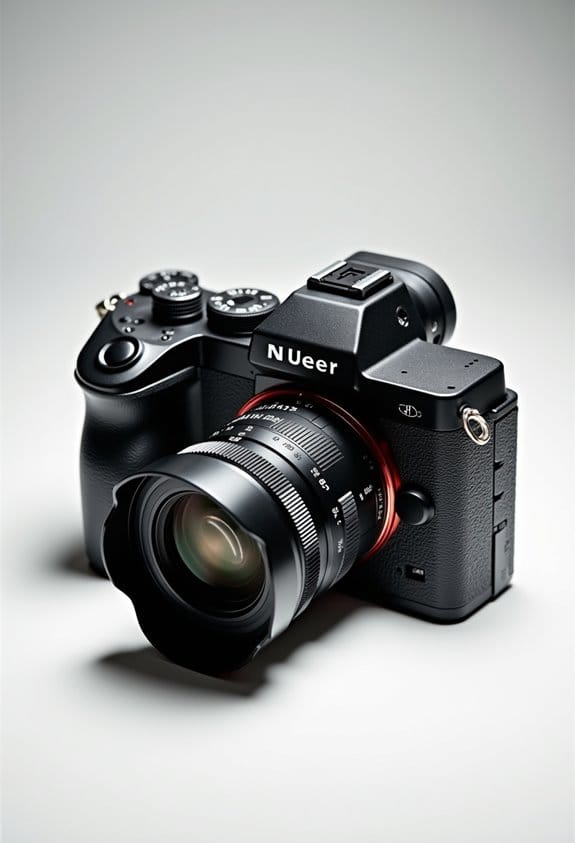
When we compare mirrorless and DSLR cameras, several key differences impact our shooting experience. DSLRs use a mirror mechanism, providing an optical viewfinder, while mirrorless models rely on electronic viewfinders, allowing continuous shooting. Autofocus performance varies too; mirrorless cameras often have quicker focus systems, especially in low light. Additionally, mirrorless cameras are usually lighter and easier to carry, which is important for long shoots. Finally, battery life can be shorter in mirrorless models, affecting extended use. Understanding these aspects can guide our choice.
Key Takeaways
- Mirrorless cameras allow continuous shooting without interruptions, while DSLRs experience brief blackouts when taking a photo.
- Autofocus systems in mirrorless cameras often provide faster subject detection compared to the dual systems in DSLRs.
- The lighter, compact design of mirrorless cameras enhances portability, making them ideal for travel and long shoots.
- Mirrorless cameras typically offer advanced video capabilities and easily switch between photo and video modes, unlike many DSLRs.
- Battery life for mirrorless cameras is shorter, so users should consider power sources and charging options for extended shooting sessions.
Camera Mechanism: Understanding the Differences
Hey, have you ever wondered about the difference between DSLRs and mirrorless cameras? When it comes to camera mechanisms, understanding these two types can really help you decide which one fits your needs best.
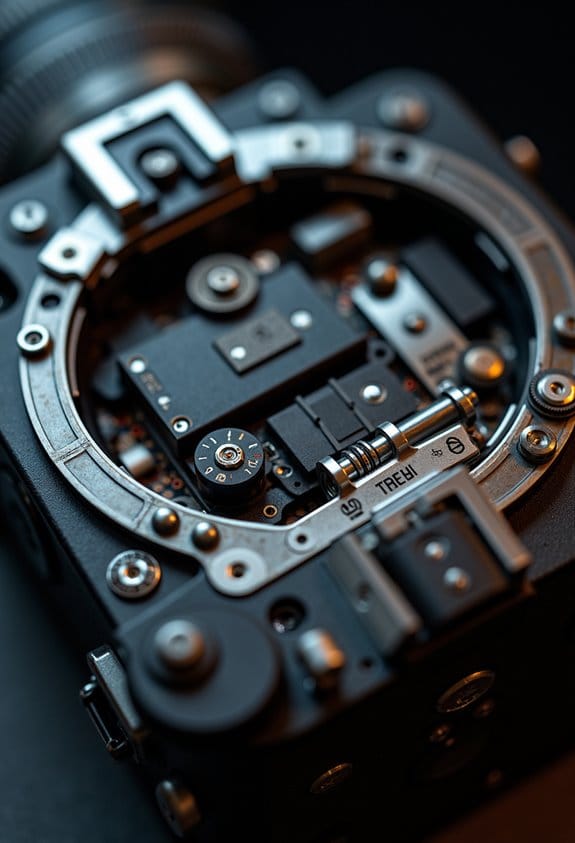
So, DSLRs use a mirror mechanism that reflects light into an optical viewfinder (OVF). This setup gives you a direct view through the lens, which feels like you’re looking through a window. However, when you snap a photo, that mirror flips up, which can cause a brief blackout. It’s a bit like a quick blink before the picture is taken.
On the flip side, mirrorless cameras ditch the mirror and use an electronic viewfinder (EVF). This lets you see a live digital preview straight from the camera sensor. Because there’s no mirror to move around, you can take photos continuously without any interruptions. The downside? They usually drink up more battery power. Plus, if you’re looking for something lightweight, mirrorless cameras are a great choice. They’re easier to carry around compared to the bulkier DSLRs, making them ideal for travel or long shoots.
Many DSLR models, such as the Canon 90D, also offer advanced features like a 45-point All Cross-Type Autofocus System to enhance focusing accuracy despite their bulkier design.
Ultimately, the choice between a DSLR and a mirrorless camera often boils down to how you want to shoot and what feels comfortable. If you’re ready to explore more about the different features these cameras offer, let’s dig into the specific advantages each type has!
Autofocus Systems: Performance Insights
So, how crucial is the autofocus system when it comes to how well a camera performs? Well, the autofocus system is absolutely essential for snapping sharp and focused images. For instance, mirrorless cameras are pretty neat because they use a single autofocus system that’s all about the image sensor. This allows them to quickly detect subjects and keep up with moving targets, which is super handy if you’re capturing action shots at a sports event.
On the flip side, DSLRs utilize two different autofocus systems, which can sometimes slow them down, especially when you’re using live view mode. If you’re wandering around a low-lit room trying to snap pictures of pets or people, a high-end mirrorless camera can be a lifesaver. Many have AI-driven autofocus that shines in those tricky conditions, effortlessly tracking faces or animals. Plus, these cameras can fire off shots faster without the annoying blackout you’d experience with traditional shutters. So, in the fast-paced world of photography, you’ll often find that modern mirrorless systems outshine their DSLR counterparts.
Notably, some mirrorless cameras like the Sony a6100 boast 425 autofocus points, enabling incredibly precise tracking of moving subjects.
Now, let’s explore how these autofocus systems influence other features you might consider when buying a camera.
Size and Weight: The Impact on Portability
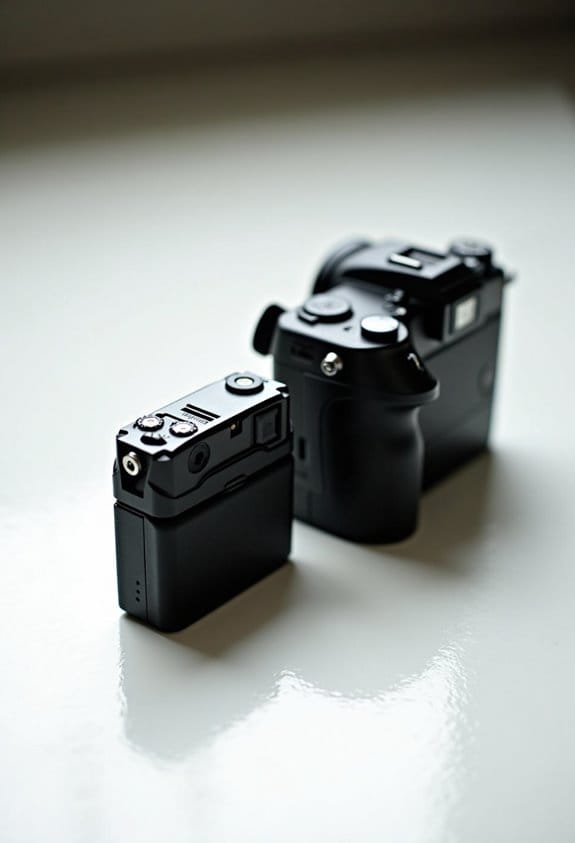
When it comes to photography, size and weight really matter, especially if you’re out on a long shoot. You’ll find that mirrorless cameras are generally lighter and more compact than their DSLR counterparts because they don’t have that bulky mirror mechanism inside. For example, take the Canon EOS R8—it weighs just about 1,161 grams. Now compare that to the EOS 6D Mark II DSLR, which comes in at 1,560 grams, making the DSLR a hefty 34% heavier.
This difference can be a real game changer for those of us who like to travel light. With mirrorless cameras, you can easily throw in a couple of extra lenses without feeling like you’re lugging around a ton of weight. Sure, some entry-level DSLRs have started to slim down, but when it comes to the high-end models, mirrorless usually wins the portability race. Additionally, many mirrorless cameras feature lightweight designs that reduce strain during long shooting sessions.
Lens Compatibility and Selection: Options for Every Photographer
When you think about photography, lens options are super important. They play a huge role in determining how your photos turn out, both in quality and versatility. For instance, if you’re using a DSLR, you’ve got access to a big range of lenses from various brands like Sigma and Tamron, which means you can find the perfect lens for every situation. On the other hand, if you’re leaning towards a mirrorless system, you’ll be happy to know that they’re constantly expanding their lens selections, especially in the Micro Four Thirds and Canon RF categories.
One cool aspect of mirrorless cameras is their closer sensor placement, which can lead to better optical performance, especially in terms of sharpness and clarity. Plus, if you already own some DSLR lenses, you can often use adapters to connect them to your mirrorless camera. This can really expand your options without having to invest in all new glass.
Additionally, considering the crop factor of APS-C sensors is important because it affects the effective focal length and composition when selecting lenses.
Ultimately, choosing the right lens can make a significant difference in capturing beautiful images. Whether you’re trying to snap a stunning landscape or a detailed close-up, the right lens can enhance every shot. Now that we’ve covered the basics of lens compatibility, let’s explore some specific lens types and their unique features!
Video Capabilities: A New Era in Filmmaking
Hey, did you know that video has become such a cool part of modern photography? The rise of mirrorless cameras has really transformed how we think about filmmaking. These cameras are not just about taking great photos; they also let you shoot high-resolution 4K videos, with some even going up to 6K and 8K!
What I love about them is their autofocus systems. They work like magic to keep your subject in focus, even as they move quickly or dynamically. For instance, if you’re filming a kid running around or a dog playing fetch, these cameras follow the action without missing a beat. Plus, they often come with log profiles, which means you can adjust colors in post-production to get that perfect look.
Another great feature is how well some of these mirrorless models perform in low light, like the Sony A7S III and Panasonic Lumix S1H. They shine in darker settings, so whether you’re filming a cozy indoor scene or an outdoor event at dusk, you can capture incredible footage. And with continuous live-view, it’s effortless to switch between shooting photos and videos without fumbling around with settings.
Many mirrorless cameras, such as the Canon EOS R50, also include vari-angle touchscreens that make filming at unique angles and vlogging much easier.
All these features really make it easier for anyone to create stunning video content. Are you thinking about trying your hand at filming with one of these cameras?
Battery Life: Powering Your Photography Sessions
Hey there! Let’s chat about battery life and why it’s such a crucial factor when we’re out and about capturing stunning images. For many photographers, especially those venturing into the great outdoors, having a reliable battery can make or break a shoot. Take the Nikon D850, for instance; this DSLR can take nearly 4,000 shots on a single charge. That’s impressive, right?
On the flip side, mirrorless cameras usually offer a different experience. You might only get between 350 and 650 shots per charge because they rely heavily on electronic viewfinders, which can drain the battery faster, especially when we’re shooting for long stretches. Some mirrorless models do come with USB charging, adding a bit of convenience if you’re on the go. Still, you won’t find that feature in most DSLRs. So, if you’re planning a full day of shooting, you might lean towards a DSLR for the battery life, whereas a mirrorless camera could be tempting for its sleek features, albeit with less endurance.
In short, when choosing between a DSLR and a mirrorless camera, think about your shooting style and how often you’ll be away from a power source. This choice can really impact your photography experience! Additionally, keep in mind that 4K recording significantly reduces battery life during shoots, which is important if you plan on shooting high-resolution videos.
Frequently Asked Questions
Do DSLRS Have Any Advantages Over Mirrorless?
While mirrorless cameras excel in autofocus speed and low light performance, we’ve found DSLRs offer longer battery life, a more extensive lens availability, better build quality, and ergonomic design, making them a reliable choice for many photographers.
Do Professional Photographers Prefer DSLR or Mirrorless?
Professional photographers often have mixed preferences; we prioritize camera weight, autofocus performance, and battery life. While some cherish DSLR’s extensive lens selection, others love mirrorless for superior video capabilities and advanced sensor technology, despite price comparisons.
What Are the Downsides of Mirrorless Cameras?
We’ve noticed that mirrorless cameras often struggle with battery life, durability concerns, and thermal management. While they excel in low light and shooting speed, their user interface and auto focus capabilities can sometimes disappoint.
What Lasts Longer, DSLR or Mirrorless?
When we consider battery lifespan, build quality, and durability ratings, we find DSLRs usually last longer. While autofocus speed and weight can differ, reliability in extended shoots makes them our choice in rugged conditions.


