As an Amazon Associate, we earn from qualifying purchases. Some links on this site are affiliate links at no extra cost to you. Our recommendations are based on thorough research and editorial judgment.


Shooting in Rain and Humidity: Protecting Gear and Preventing Fogging

When shooting in rain and humidity, we must take steps to protect our gear. Investing in weather-sealed cameras helps keep moisture at bay. Using silica gel packs can absorb excess humidity and prevent fogging. We should also use rain covers and waterproof bags to guard against unexpected downpours. When moving between different temperatures, sealed plastic bags can prevent condensation on our lenses. With these tips, we can keep our equipment safe and effective, and discover more strategies ahead.
Key Takeaways
- Use weather-sealed gear with rubber gaskets to protect your camera from moisture during rainy conditions.
- Incorporate silica gel packs in your camera bag to absorb excess humidity and prevent lens fogging.
- Utilize rain covers and lightweight waterproof bags to safeguard your gear from unexpected downpours.
- Transition gear in sealed plastic bags to manage condensation when moving between different temperatures.
- Allow condensation to evaporate naturally without wiping lenses to avoid scratches and damage.
Understanding the Challenges of Humidity
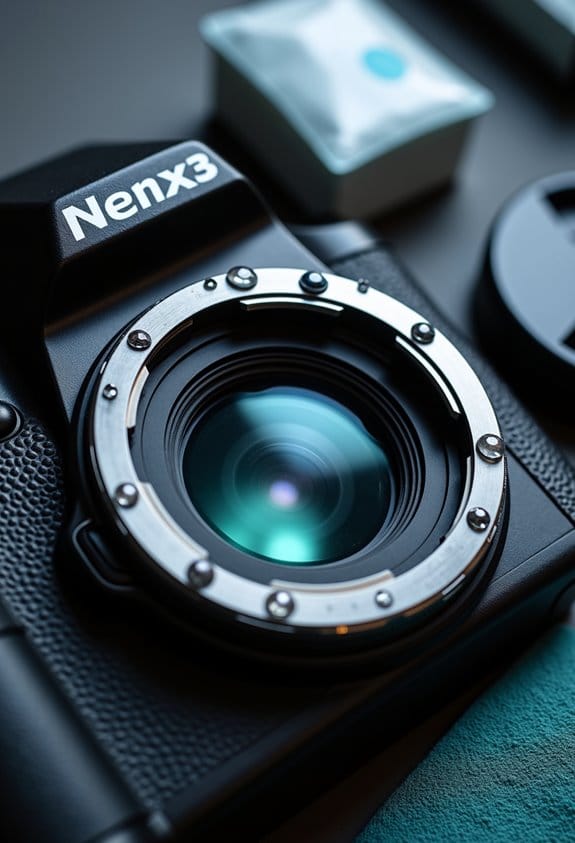
Hey there! Let’s chat about photographing in humid conditions. Humidity can really throw a wrench in the works for your gear and the quality of your images. For instance, when you move from an air-conditioned space to the outdoors during a humid day, your camera lens may fog up. This can lower your image quality because the condensation distorts the light coming in.
And it gets trickier! If you’re out in damp air for a long time without taking care of your gear, you risk fungus growing on your lenses. Believe me, that’s a nightmare for photographers. I always make sure to dry my equipment thoroughly after using it in such conditions to avoid this issue. Plus, those pesky high humidity levels can corrode the metal parts in your camera, which can lead to expensive repairs down the road.
One handy tip is to keep silica gel packs in your camera bag. They’re super effective at absorbing moisture and can really help keep your gear in top shape. So, whether you’re shooting in the early morning mist or a steamy afternoon, remember to take these precautions. Using a 3-axis gimbal stabilizer can also help maintain smooth shots, especially when dealing with slippery or unstable conditions common in humid environments.
Speaking of conditions, let’s explore how lighting can also influence your photography.
Invest in Weather-Sealed Gear

Hey there! If you’re serious about photography, investing in weather-sealed gear is a fantastic idea, especially when you’re out capturing those stunning shots in the rain or mist. Weather-sealed cameras and lenses are designed with rubber gaskets and seals around buttons to keep moisture at bay, which is a lifesaver when you’re shooting in less-than-perfect conditions. That said, it’s important to remember that while many new models come with these protective features, they aren’t all completely waterproof. So, if you find yourself caught in a heavy downpour, you still need to tread carefully.
For example, if you’re using a professional-grade camera, like those from the Canon EOS series or Nikon Z series, you’ll often get much better weather resistance than entry-level gear. This means they can handle wet weather a bit better, which can really protect your investment from long-term damage. And don’t skip the regular check-ups—especially on older gear—to ensure those seals are still doing their job.
When you’re planning to shoot in heavy rain for an extended period, it’s a good idea to bring along a rain cover. This extra layer of protection will help keep your gear dry and safeguard it from both water and dust, ensuring that nothing interferes with your shots. Using cameras with 4K video capabilities can also be beneficial for capturing high-quality footage even in challenging conditions. So, as you prepare for your next photography adventure outdoors, just remember: a little extra care with your weather-sealed gear goes a long way in keeping your equipment safe and your creativity flowing!
Use Silica Gel Packs
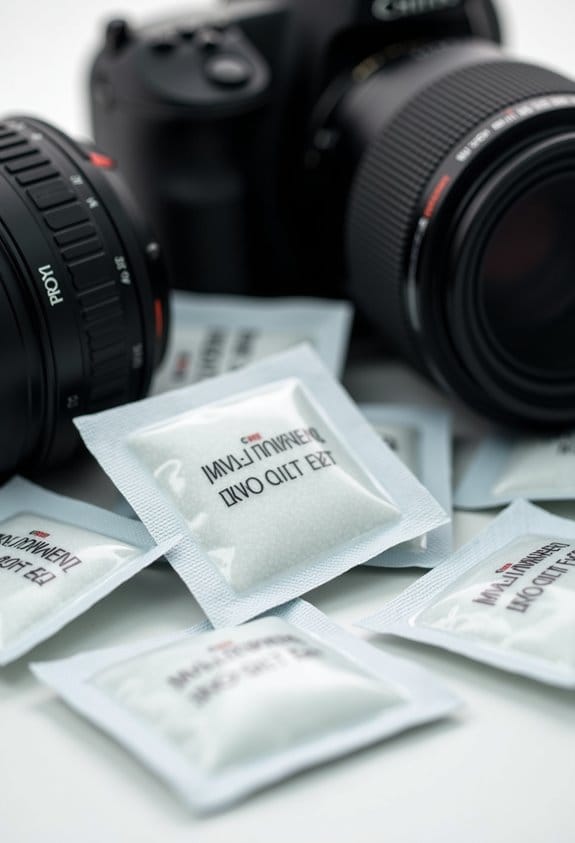
Have you ever thought about using silica gel packs in your camera bag? They’re actually a handy little trick to fight off humidity while you’re out shooting. These packs work by soaking up excess moisture, which can really help keep your camera gear dry, especially when you’re in damp conditions.
For example, if you’re in a humid environment or going from air conditioning to a hot outdoor setting, having multiple silica gel packs in your bag can make a big difference. They’ll keep your lenses and sensors from fogging up, which is super important for getting those clear shots. Plus, they’re affordable, so it’s easy to toss a few in your photography setup without breaking the bank.
Just a quick tip: to keep those silica gel packs working at their best, remember to recharge them every so often. You can do this by baking them in the oven for a little while to restore their moisture-absorbing powers. It’s a simple process that will keep your shoots running smoothly and your gear in great shape!
Additionally, using low-voltage lighting like COB LED strips can enhance your shooting environment without generating excess heat or humidity.
Protect Gear During Sudden Rain
Hey there! So, you know how sudden rain can totally derail our plans? That’s why it’s super important to protect our gear right when the sky starts pouring. Always keep some dedicated rain covers for your camera and lenses handy. They slip on quickly and can save your expensive gear from getting soaked in an unexpected downpour.
Another solid tip is to invest in lightweight dry bags or waterproof backpacks. They not only keep your gear dry while you’re on the move, but they’re also really easy to pack and carry. Plus, don’t forget about those emergency options! Simple items like sealed plastic bags or even shower caps work wonders for a quick fix in a weather pinch.
Make it a habit to check your rain gear before heading out. Knowing exactly where everything is saves you precious time when the weather turns nasty. And if you find yourself in a tricky situation, a bit of gaffer tape can be your best friend for securing ponchos or temporary covers – it really helps keep things in place while you’re shooting. It’s always smart to choose rain covers made of waterproof materials like nylon for dependable protection.
Manage Condensation When Changing Environments
Hey there! So, you know how when we go from a chilly place to a warm one, our camera gear might end up fogged up? It’s really important to manage that condensation to keep our cameras in tip-top shape. A simple trick is to stash your gear in a sealed plastic bag while you’re moving between temperatures. This acts like a barrier against moisture, making it less likely for condensation to form on those precious lenses and sensors.
Another handy tip is to throw some silica gel packs into your camera bag. They’re great at soaking up excess humidity, helping keep the environment dry. If you do end up seeing condensation, don’t be tempted to wipe it away—that might scratch your lens! Instead, let your gear sit at room temperature for a bit. It’ll dry out naturally, ensuring you’re not damaging anything.
And hey, if you’re planning a long shoot outdoors, think about investing in a camera rain jacket. It’s a quick way to protect your gear from unexpected weather changes. Plus, it allows you to keep shooting without stressing over the elements. It’s all about having fun and capturing those moments without worry!
Using accessories designed to maintain consistent temperature and lighting, like a wireless camera flash, can also help minimize issues related to moisture and fogging during shoots.
Frequently Asked Questions
How to Stop Camera From Fogging up in Humidity?
To stop our camera from fogging in humidity, we should use fogging prevention tips like anti-fogging solutions, moisture absorption systems, sealed housing options, and practice gradual temperature acclimation for effective humidity gear care and lens cleaning techniques.
How to Protect Camera Gear From Rain?
To protect our camera gear from rain, we should use waterproof housing, rain sleeves, and protective bags. Adding UV filters and lens covers helps, plus we can do regular gear maintenance and carry microfiber cloths for quick field repairs.
How to Shoot When It’s Raining?
When capturing rain’s dance, we embrace waterproof gear, stabilize our tripods, and use rain as our backdrop. We’ll clean lenses often, create reflections, and rely on weather-friendly accessories to enhance those moody, magical moments.
How to Shoot in Humid Conditions?
When shooting in humid conditions, we adjust camera settings, choose weather-resistant lenses, and apply outdoor techniques. We focus on composition tips and subject selection, while being prepared for lighting challenges and careful sensor care during post-processing.


