As an Amazon Associate, we earn from qualifying purchases. Some links on this site are affiliate links at no extra cost to you. Our recommendations are based on thorough research and editorial judgment.

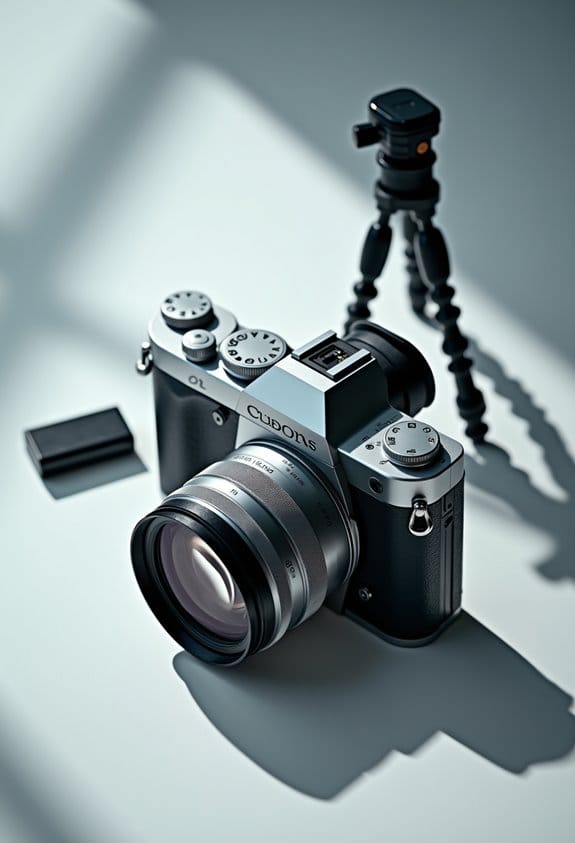
Travel Photography With Mirrorless Cameras: Packing and Settings That Work

When we travel with mirrorless cameras, we need to choose lightweight gear, like versatile lenses. Packing strategies should prioritize protecting our equipment, storing it in carry-on bags to avoid damage. Selecting weather-resistant, padded bags helps keep our gear safe. For settings, using Aperture Priority mode and managing ISO levels guarantees great shots in various light. Remember to take into account shooting techniques like the rule of thirds for better composition. There’s more to explore about capturing stunning travel moments.
Key Takeaways
- Choose a lightweight mirrorless camera with versatile lenses, like a 24-70mm for general shots and 200mm for wildlife photography.
- Pack your gear in carry-on luggage with padded cases for protection and quick access during travel.
- Bring additional accessories like spare batteries, a lightweight tripod, and a lens cleaning kit to enhance shooting capacity.
- Set your camera to Aperture Priority mode, utilize low ISO in bright conditions, and use Continuous Shooting for fast-moving subjects.
- Experiment with natural lighting during golden hours and apply composition techniques like the rule of thirds for more engaging photographs.
Choosing Your Camera Gear
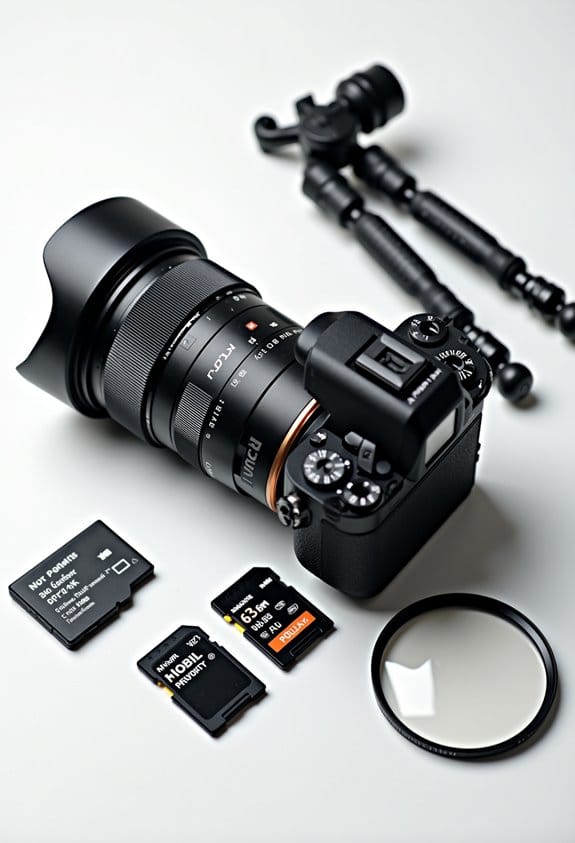
When you’re picking out your camera gear for travel photography, the type of trip you’re planning can really shape your choices. For example, if you’re heading to a resort, you won’t need the same setup as you would for a safari or a light backpacking trip. For those adventures, lightweight mirrorless cameras, like Sony models, are a fantastic option. They’re easy to carry around and still deliver stunning images.
I usually recommend having a versatile lens on hand, like a 16-35mm or a 24-70mm. These lenses let you tackle a variety of shooting scenarios, from wide landscapes to close-up details. If you know you’ll be photographing wildlife on a safari, a telephoto lens—like a 200mm—can really help you capture those amazing distant shots without disturbing the animals. On the other hand, for capturing portraits of locals, an 85mm lens works wonders. This setup ensures you’re ready for whatever incredible moments come your way.
In the end, it’s all about being prepared, so you can focus on enjoying the experience and capturing those unforgettable memories. Selecting the right camera sling bag can greatly enhance your ability to transport and access your gear efficiently while traveling. Speaking of memories, let’s talk about how to preserve them once you’re back home.
Packing Strategies and Protection
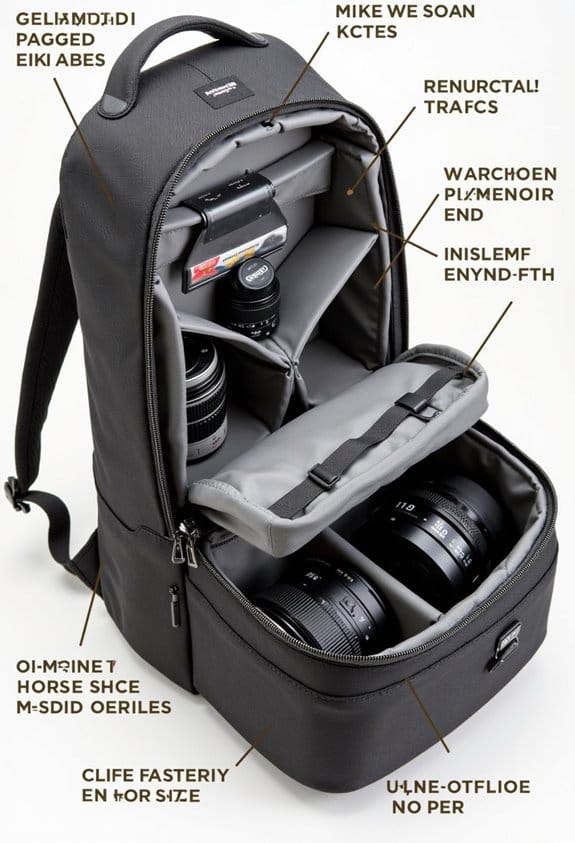
When it comes to packing your camera gear for travel photography, the strategy you use can really impact how you capture the amazing moments around you. I always recommend going for lightweight mirrorless cameras and versatile lenses—think a 16-35mm for wide landscapes or a 24-70mm for more general shots. This helps keep your gear manageable and your bag light for all those adventures.
Using Internal Camera Units (ICUs) is a smart move, too. These padded inserts fit right into your existing bags and keep your gear snug and protected. It’s like having a mini fortress for your camera, maximizing space while preventing any accidental bumps or scratches. Always tuck your camera gear into carry-on luggage because that way, you avoid the risks of theft or damage that come with checked bags.
When choosing your bag, go for padded cases or customizable camera backpacks. They not only provide great organization but also allow for quick access to your gear when you need it. Many top bags also incorporate waterproof materials to shield your equipment from unexpected weather, ensuring your gear stays dry on the go. By refining your packing strategy, you can keep your most valuable photography tools safe and easily accessible. And speaking of gear, let’s chat about some essential accessories that can further enhance your photography experience on the road!
Bag Selection for Travel
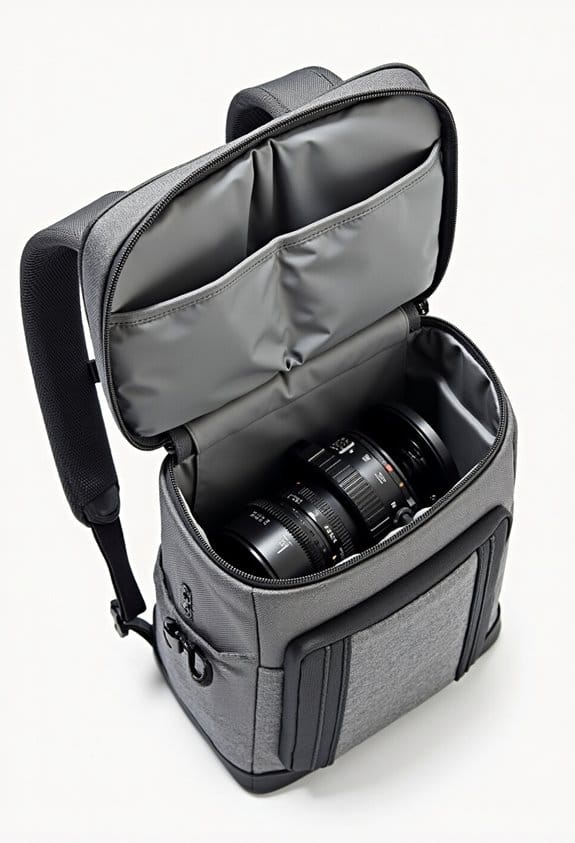
When it comes to travel, picking the right camera bag is super important to keep your gear safe and easy to reach. I mean, imagine hiking through a beautiful forest only to find your camera’s buried at the bottom of your bag! A camera backpack like the Manfrotto Advanced Travel Backpack can really help with that. It has compartments that let you organize everything, so you can grab your camera quickly when the perfect shot pops up.
You’ll also want a bag that can handle a bit of bad weather. Look for ones that are weather-resistant and padded well to protect your gear from sudden rain or bumps. And if you’re worried about space, consider getting padded cases that can fit inside your regular bag. They give you easy access to your essentials without making everything feel bulky.
Don’t forget about how your bag matches your personal style and travel habits! If you prefer to travel light, go for options that keep things simple and weigh less—especially with airline restrictions on baggage. Just think about it: a lighter bag means less hassle when you’re moving around. And once you’ve got your gear sorted, it’s all about enjoying the adventure!
Think about bags with full front panel access to make retrieving your gear quicker and more convenient on the go.
Additional Gear and Accessories
When you’re out and about capturing travel photography, having the right additional gear and accessories makes a world of difference. Trust me, a lightweight tripod like the Manfrotto Befree Advanced is a lifesaver. It gives you that stability for those long exposure shots, all without adding extra weight to your bag. Imagine trying to capture a stunning sunset and struggling with a shaky camera—nobody wants that!
Another essential item on your list should be spare batteries. Mirrorless cameras can drain pretty quickly, especially when you’re snapping photos left and right. It’s a good idea to carry at least a couple of extras, and investing in a USB-C power bank can really save the day when you find yourself away from an outlet. Picture this: you’re in the middle of a bustling market, and you want to keep shooting, but your battery’s running low. A quick recharge from your power bank can keep those creative juices flowing!
Don’t forget about keeping your gear clean and protected. A solid lens cleaning kit with ZEISS wipes and a Giottos Rocket Blaster will help keep your shots crystal clear. And speaking of protection, having a good bag is crucial. Look for one that not only organizes your gear but also keeps it safe from the elements. It’s a relief to know everything is neatly tucked away and ready to grab when that perfect shot appears.
Lastly, consider a versatile camera strap like the Peak Design SlideLITE. This will make it super comfortable to carry your camera for long periods, and it ensures that your gear is always within reach when inspiration strikes. With these accessories in place, you’re all set to tackle any photography adventure! A bag with water-resistant fabric and thick padding is ideal for protecting your equipment in varied weather conditions. Now, let’s talk about some tips for finding those picture-perfect locations.
Travel Preparation and Tips
Hey! If you’re gearing up for a photography trip, there are some super helpful tips that can really make a difference. First off, make sure to pack your camera gear in your carry-on luggage. This way, it’s safe and sound from any loss or damage that could happen if you checked it in. Trust me, losing your precious gear is a nightmare.
Now, let’s chat about keeping your images safe. Always back up your photos on a portable hard drive or use cloud storage. You work hard for those stunning high-resolution shots, right? Imagine taking a bunch of amazing pictures on multiple memory cards and then realizing you’ve lost them because you didn’t back them up. That would be heartbreaking!
Also, don’t forget to bring along spare batteries and maybe a power bank. You never know when you’ll want to snap a few extra shots, especially during long shooting sessions at beautiful locations. Familiarizing yourself with your camera settings before you head out can save a ton of time. You’ll be able to switch settings quickly when the light changes or unexpected moments happen.
And here’s a tip: check out the local rules regarding photography where you plan to shoot. Some places might require permits, and you don’t want to get caught off guard while trying to capture that perfect shot.
If you plan on shooting in low light or capturing fast-moving subjects, consider carrying a mirrorless flash to enhance your lighting options and creative possibilities.
All of this prep can really elevate your experience, and who knows what exciting adventures await you?
Recommended Lenses for Travel Photography
Hey there! When it comes to travel photography, choosing the right lens can really make a difference in how your photos turn out. For versatile shots, you might want to check out lenses like the Sony 16-35mm or the Canon RF 24-105mm. These zoom lenses are fantastic because they give you a range of focal lengths, making them ideal for everything from breathtaking landscapes to charming portraits.
If you’re leaning towards portrait photography, consider picking up a prime lens like the Sony 85mm f/1.4. This lens has a wide aperture, allowing you to create that lovely background blur that makes your subject really pop! It’s perfect for capturing those candid moments of friends or family against beautiful backdrops.
Now, if you’re aiming for wildlife shots or anything at a distance, you’ll want a telephoto lens that starts at about 200mm. Lenses that reach the 400-600mm range are great because they let you zoom in close and catch all the intricate details without getting too close for comfort.
And don’t forget about the convenience of lightweight gear! setup like the Sony a6000 paired with a 16-50mm lens is super travel-friendly. It strikes a nice balance between quality and portability, so you won’t have to lug around heavy equipment. With the right gear in hand, you’re all set to capture your adventures beautifully!
Many mirrorless cameras, such as the Canon EOS R50, offer versatile focal length options perfect for travel, combining quality imaging with portability.
Essential Settings for Mirrorless Cameras
Hey there! Let’s chat about some essential camera settings for your mirrorless camera that will really enhance your travel photography. First off, I highly recommend using Aperture Priority mode. This setting lets you control the depth of field, which is great for achieving that lovely blurred background while your camera automatically handles the shutter speed for you.
When you’re shooting in bright light, keep your ISO low, ideally between 100 and 400. This helps minimize noise in your photos, making them look crisp and clear. For example, if you’re capturing a vibrant street market during the day, a low ISO will keep your colors looking true. On the flip side, if you’re in a dimly lit cafe, don’t hesitate to bump the ISO up to grab those details without blur.
Oh, and if you want to capture fast-moving moments—like a kid chasing a dog in the park—turn on Continuous Shooting mode. This lets you take several shots in quick succession, increasing your odds of catching that perfect action moment. Also, activating Focus Peaking is super helpful when you’re using manual focus. It highlights the areas that are in focus, making it easier to dial in on the details you want.
Finally, customizing the Function buttons on your camera can really streamline your shooting experience. Set them to settings you use often, like white balance or exposure compensation, so you can make quick adjustments, especially when you’re on the go. With these tips, you’ll be well on your way to taking amazing travel photos! Speaking of travel, let’s look at how to plan your next adventure with photography in mind. Additionally, exploring the film simulations available on many Fujifilm mirrorless cameras can add creative flair to your travel shots without needing extensive editing.
Tips for Capturing Stunning Travel Photographs
Alright, let’s chat about capturing those stunning travel photographs we all dream of. First off, it’s crucial to have our camera settings just right. A versatile zoom lens, like the Sony 24-70mm f/2.8, is a game-changer because it allows you to switch between different subjects without needing to swap out your lens all the time. For instance, one moment you can snap a beautiful landscape, and the next, you get a close-up of a local dish.
When it comes to lighting, keep in mind that lower ISO settings between 100-400 are perfect for bright days—they help your images stay clear and rich in color. But don’t hesitate to bump it up to 800-3200 if you find yourself in a dimly lit cafe or at sunset. If you’re hoping to catch some wildlife shots, try using your mirrorless camera’s silent shooting mode. This way, you’re less likely to disturb those shy creatures while you capture them in their natural habitat.
And here’s a neat tip: use focus peaking and check the histogram on your camera. This will ensure you nail the sharp focus and get your exposure just right, especially when shooting with wider apertures that create lovely background blur. Don’t forget to bring along extra batteries and memory cards, too—nothing’s worse than missing a pivotal moment because your gear ran out of juice. Planning to head out at sunrise for that golden light? Let’s move on to some composition tips to really make those shots pop!
Carrying a sturdy and adjustable camera tripod can also help you capture steady shots in low light or for time-lapses during your travels.
Frequently Asked Questions
Can I Use My Smartphone Alongside a Mirrorless Camera for Travel Photography?
Absolutely, we can use our smartphones alongside a mirrorless camera! Smartphones offer advantages like quick captures and convenient apps for photo editing. They complement our setup by enhancing portability and sharing experiences without compromising low light performance.
How Do I Choose the Right Memory Cards for My Mirrorless Camera?
To choose memory cards, we should consider card types, speed ratings, and storage capacity. Let’s check compatibility and go for reliable brands. Multiple cards offer backup, ensuring we support high-res shots without hassle.
What Type of Tripod Is Suitable for Travel Photography?
For travel photography, we prefer lightweight tripods with compact options, ensuring stability. Flexible choices like mini tripods or versatile designs with adjustable heights are essential, and various materials and head types can enhance our shooting experience.
How Do Weather Conditions Affect My Mirrorless Camera’s Performance?
Weather challenges can considerably impact our mirrorless camera’s performance. We need to contemplate camera durability, temperature sensitivity, humidity effects, and guarantee rain protection, dust resistance, and precautions for fog and snow to maintain ideal shooting conditions.
What Editing Software Is Best for Travel Photography?
Aren’t we all looking for the perfect editing software? We find Lightroom alternatives like Capture One and user-friendly mobile editing apps great. For batch processing and a presets collection, desktop solutions and Photoshop plugins also work wonders!


