As an Amazon Associate, we earn from qualifying purchases. Some links on this site are affiliate links at no extra cost to you. Our recommendations are based on thorough research and editorial judgment.


4 Best Professional DSLR Cameras That Every Photographer Needs

If you’re looking for the best professional DSLR cameras, consider the Nikon D7500 and Canon EOS 2000D. The Nikon D7500 features a 20.9 MP sensor and a versatile 51-point autofocus system. In contrast, the Canon EOS 2000D offers a 24.1 MP sensor and includes multiple lenses for various photography styles. Both cameras provide excellent image quality, low-light performance, and connectivity options like Wi-Fi. Let’s explore other models that might fit your needs even better.
Key Takeaways
- Look for DSLRs with high megapixel counts, like the Canon EOS 2000D’s 24.1 MP, for sharp image capturing.
- Choose cameras with wide ISO ranges, such as the Nikon D7500’s 100 to 51200, for strong low-light performance.
- Ensure the camera has a robust autofocus system, like the Nikon’s 51-point, for precise focusing in dynamic scenarios.
- Opt for versatile lens options or kits that cater to various photography styles, enhancing creative opportunities.
- Prioritize models with good video capabilities, such as Full HD recording, for multimedia projects beyond photography.
| Nikon D7500 DSLR Camera with 18-140mm Lens |  | Best Overall Performance | Sensor Type: CMOS | ISO Range: 100-51200 | Continuous Shooting: Up to 8 fps | VIEW LATEST PRICE | Read Our Analysis |
| Canon EOS 2000D DSLR Camera Bundle (Renewed) |  | Best Value Bundle | Sensor Type: APS-C CMOS | ISO Range: 100-6400 | Continuous Shooting: Up to 3 fps | VIEW LATEST PRICE | Read Our Analysis |
| Nikon D7500 DX-Format Digital SLR Body | 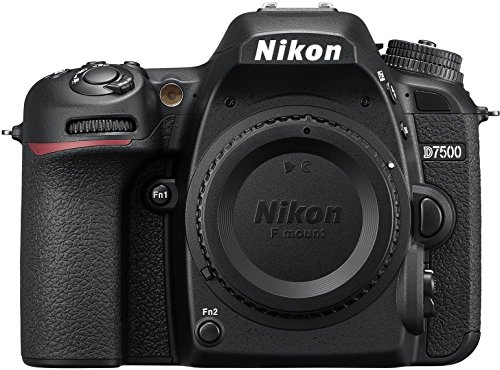 | Professional Grade Body | Sensor Type: CMOS | ISO Range: Minimum 100 | Continuous Shooting: Up to 8 fps | VIEW LATEST PRICE | Read Our Analysis |
| Canon EOS 2000D DSLR Camera with 3 Lens Kit |  | Complete Starter Kit | Sensor Type: APS-C CMOS | ISO Range: Extended 12800 | Continuous Shooting: 3 fps | VIEW LATEST PRICE | Read Our Analysis |
More Details on Our Top Picks
Nikon D7500 DSLR Camera with 18-140mm Lens
Looking for a camera that takes your photography to the next level? The Nikon D7500 DSLR Camera with the versatile 18-140mm lens is the perfect fit for aspiring photographers.
Key Features:
- 20.9 MP Resolution: Capture stunning, detailed images that really stand out.
- CMOS Sensor: Enjoy vibrant colors and exceptional clarity in every shot.
- ISO Range of 100-51200: Perfect for low-light conditions, ensuring you never miss a moment.
- 51-Point Autofocus System: Achieve sharp focus effortlessly, even in tricky situations.
- 5x Optical Zoom Lens: Frame your shots perfectly from a distance or up close.
- 3.2” Tilting LCD Screen: Easily compose shots from different angles and perspectives.
- Bluetooth and Wi-Fi Connectivity: Share your photos instantly with friends and family on social media.
Why Choose the Nikon D7500?
This camera offers the performance and versatility you need to grow your skills. Whether you’re capturing portraits or landscapes, you’ll be ready for any challenge. Plus, its user-friendly features make it accessible for beginners.
Don’t wait to enhance your photography journey! The Nikon D7500 is available now. Click to learn more and make it yours today!
- Sensor Type:CMOS
- ISO Range:100-51200
- Continuous Shooting:Up to 8 fps
- Video Resolution:4K UHD and 1080p
- Display Size:3.2 inch
- Autofocus System:51-point AF system
- Additional Feature:20.9 MP resolution
- Additional Feature:Touchscreen functionality
- Additional Feature:Digital image stabilization
Canon EOS 2000D DSLR Camera Bundle (Renewed)
Are you ready to take your photography skills to the next level? The Canon EOS 2000D DSLR Camera Bundle (Renewed) is an outstanding choice. Here’s why:
Key Features:
- 24.1MP APS-C Sensor: Capture stunning, sharp images that bring your vision to life.
- ISO Range of 100-6400: Shoot confidently in various lighting conditions. From bright daylight to low light, get great results every time.
- Versatile Lens Options: The bundle includes two lenses, perfect for different photography styles – whether you’re shooting portraits or landscapes.
- Built-in Wi-Fi: Easily share your photos on social media and control your camera remotely. Convenience is just a click away.
- Complete Camera Bundle: Included accessories like a camera backpack and tripod ensure that you have everything you need to start your photography journey.
This is more than just a camera; it’s a gateway to expressing your creative side. Ideal for beginners and those looking to upgrade, this bundle equips you with the tools to bring your ideas to life.
Ready to capture unforgettable moments? Don’t miss out on this fantastic deal with the Canon EOS 2000D DSLR Camera Bundle. Grab yours today and start clicking away!
- Sensor Type:APS-C CMOS
- ISO Range:100-6400
- Continuous Shooting:Up to 3 fps
- Video Resolution:Full HD 1080/30p
- Display Size:3.0 inch
- Autofocus System:9-Point AF
- Additional Feature:Dual lens included
- Additional Feature:Remote control via app
- Additional Feature:Comprehensive accessory kit
Nikon D7500 DX-Format Digital SLR Body
Looking for a camera that combines ease of use with professional-quality photos? The Nikon D7500 DX-Format Digital SLR Body is your perfect match. Here’s why this camera stands out:
- Versatile Lens Options: Features a Nikon DX mount, so you can choose from a wide range of compatible lenses.
- Stunning Image Quality: With a remarkable ISO range starting at 100, you’ll get beautiful shots in all lighting conditions.
- Precision Autofocus: The 51-point autofocus system, including 15 cross-type sensors, ensures sharp focus every time.
- Fast Shooting Speed: Capture your best moments with continuous shooting at up to 8 frames per second.
- Convenient Touchscreen: The 3.2-inch tilting touchscreen makes navigating settings and reviewing images easy.
- Stay Connected: Built-in Wi-Fi and Bluetooth allow for easy sharing of your photos on the go.
Whether you’re capturing family gatherings or exploring nature, the Nikon D7500 will help you take vibrant photos with confidence. Ready to elevate your photography? Get your Nikon D7500 today and start creating stunning images!
- Sensor Type:CMOS
- ISO Range:Minimum 100
- Continuous Shooting:Up to 8 fps
- Video Resolution:4K Ultra HD and 1080p
- Display Size:3.2 inch
- Autofocus System:51-point AF system
- Additional Feature:Compatible with Nikon DX
- Additional Feature:Group area autofocus
- Additional Feature:Class-leading image quality
Canon EOS 2000D DSLR Camera with 3 Lens Kit
If you’re just starting your photography journey or looking to elevate your skills, the Canon EOS 2000D DSLR Camera with 3 Lens Kit is perfect for you. This user-friendly camera is packed with features that make capturing stunning images simple and enjoyable.
Key Features:
- 24.1MP APS-C CMOS Sensor: Experience vibrant and detailed photos in any setting.
- DIGIC 4+ Image Processor: Fast processing for quick shots and superb image quality.
- Versatile 3 Lens Kit: Includes an 18-55mm lens, a wide-angle lens, and a telephoto lens to cover all your photography needs.
- Full HD 1080p Video Recording: Create beautiful videos that bring your stories to life.
- Built-in Wi-Fi: Easily share your photos on social media or transfer them to your devices.
- Automatic Shooting Modes: Simple settings for beginners to get great shots without complicated adjustments.
- Optical Image Stabilization: Minimize blur and capture clear images, even in low light.
- Essential Accessories Included: Comes with a tripod and memory card, so you’re ready to shoot right away.
Why Choose the Canon EOS 2000D?
- Perfect for beginners and hobbyists, this camera grows with you as your skills improve.
- The included lenses provide the flexibility to explore different styles, from portraits to landscapes.
- Easy sharing capabilities mean you can connect with friends and followers instantly.
Don’t miss out on the chance to enhance your photography! This Canon EOS 2000D DSLR Camera with 3 Lens Kit is a fantastic investment in your creative journey. Grab yours today and start capturing moments that matter!
- Sensor Type:APS-C CMOS
- ISO Range:Extended 12800
- Continuous Shooting:3 fps
- Video Resolution:Full HD 1080p
- Display Size:3.0 inch
- Autofocus System:9-point AF System
- Additional Feature:Extended ISO 12800
- Additional Feature:Scene Intelligent Auto mode
- Additional Feature:International model (no warranty)
Factors to Consider When Choosing a DSLR Professional Camera
When you’re choosing a professional DSLR camera, consider several important factors. The image sensor quality impacts your photos’ clarity, while the autofocus system performance affects how quickly and accurately your camera can focus on subjects. Additionally, things like ISO range flexibility, lens options availability, and video capabilities play significant roles in how versatile your camera can be for different shooting needs.
Image Sensor Quality
Choosing a professional DSLR camera requires careful consideration of image sensor quality, as it greatly influences the clarity and detail of your photographs. Higher megapixels, like 20.9 MP or 24.1 MP, capture finer details, improving overall image resolution. Most DSLRs use CMOS sensors, which enhance image quality and minimize noise, particularly at high ISO settings. A broader ISO range, such as 100-51200, allows for better performance in varied lighting, leading to clearer images with less grain. Image stabilization, either digital or optical, helps reduce camera shake effects, which is essential during handheld shooting. By focusing on these factors, you can choose a camera that meets your photography needs and delivers high-quality images.
Autofocus System Performance
Autofocus system performance plays an essential role in your ability to capture sharp images, especially in fast-paced shooting situations. High-end DSLR cameras typically feature advanced autofocus systems with numerous points, like 51-point systems that include cross-type sensors for increased accuracy. Cameras with more cross-type sensors offer better performance in low light and improved tracking of moving subjects. Continuous shooting speed, measured in frames per second (fps), affects how well your camera can focus on fast-moving objects, with some achieving speeds over 8 fps. An effective autofocus system should also provide various focus modes, like single-point AF and group area AF, allowing you to adapt based on your shooting scenario. Advanced image processing technology enhances focus speed and accuracy, improving overall image quality.
ISO Range Flexibility
Capturing great images often means working in a variety of lighting conditions, and that’s where ISO range flexibility comes into play. The ISO range indicates your camera’s sensitivity to light. A wider ISO range, like 100 to 51200, gives you more options in different environments. Higher ISO settings improve performance in low light, allowing for clearer images with less noise. This flexibility lets you take sharp images at faster shutter speeds or achieve a desired depth of field. Lower ISO settings are vital for capturing fine details with minimal grain, perfect for high-quality prints. A DSLR’s performance at high ISO levels, particularly its noise management, is essential for maintaining image quality in challenging conditions.
Lens Options Availability
When it comes to professional DSLR cameras, lens options play an essential role in determining your photography experience. It’s imperative to reflect on the compatibility and availability of lenses that fit your camera’s mount. Various lenses, like wide-angle, telephoto, and macro, offer different focal lengths and apertures, helping you capture a wide range of subjects. A zoom lens, such as one with a 5x optical zoom, provides flexibility in framing shots without needing to switch lenses often. In addition, lenses with wider apertures, like f/2.8, improve low-light performance and enable creative shallow focus effects. Finally, opting for lens bundles or kits can offer important lenses and accessories, allowing you to start exploring different photography techniques right away.
Video Capabilities and Formats
Video capabilities have become a significant consideration in the selection of professional DSLR cameras, especially as more photographers explore filmmaking alongside still photography. When evaluating video features, look at maximum resolutions available; 4K UHD at 2160p offers premium recording quality, while 1080p Full HD covers standard needs. Frame rate options, such as 30 fps or higher, are essential for smooth motion capture. Additionally, features like power aperture control and auto ISO allow for real-time adjustments, enhancing your video’s exposure and depth. It’s important to choose a camera with stereo audio recording to improve sound quality, which is imperative for professional projects. Finally, consider functionalities like time-lapse recording and different shooting modes for expanded creative possibilities.
Build Quality and Durability
Build quality and durability are essential factors to take into account when choosing a professional DSLR camera, as they considerably impact the camera’s performance and lifespan. A sturdy chassis made from materials like magnesium alloys can withstand harsh environments, making your camera resilient against temperature changes and humidity. Most professional DSLRs also feature weather sealing, allowing you to shoot in rain or dust without compromising performance. Additionally, the design of the camera body influences your grip and comfort, which is vital during long shoots. A well-built lens mount helps keep the lens securely attached, ensuring image quality remains high over time. Understanding these factors will help you select a camera that meets your needs and endures the rigors of professional use.
Connectivity Features Offered
Understanding connectivity features can enhance your shooting experience with a professional DSLR camera. Look for built-in Wi-Fi and NFC capabilities, which enable easy pairing with your smartphone for seamless sharing of photos and videos. Confirm the camera supports mobile connectivity and remote control through dedicated apps, allowing you to manage settings and capture shots conveniently. Models with Bluetooth functionality can continuously transfer images to your mobile devices without draining the battery quickly. Check for HDMI output options, as these provide direct connections to external displays for better image and video review. Finally, consider cameras compatible with wireless accessories, like external flashes and remote triggers, which expand your creative control and shooting possibilities.
Battery Life Considerations
Battery life is an essential factor when choosing a professional DSLR camera, as it directly affects how long you can shoot without interruption. You should consider how many shots you can take per charge, since some cameras offer over 1,000. Look for models that use rechargeable lithium-ion batteries, which generally outlast other types. Power-saving features are also important; options like automatic shut-off and sleep modes can help extend battery life during usage. Additionally, check the cost and availability of spare batteries, especially if you plan long shoots or traveling. Finally, be aware that features like Wi-Fi or Bluetooth may drain the battery more quickly, influencing your overall shooting time and experience.
Frequently Asked Questions
What Is the Average Lifespan of a Professional DSLR Camera?
Q: What is the average lifespan of a professional DSLR camera?
A: A professional DSLR camera typically lasts about five to seven years, depending on usage and care. Regular maintenance and careful handling can extend its lifespan significantly.
Tip: Keep your camera in a protective case when not in use to prevent accidental damage.
—
Q: How many shutter actuations can a professional DSLR handle?
A: Most professional DSLRs can handle around 100,000 shutter actuations or more, which makes them quite durable for intensive use. This limit varies by model, so check the specifications for your camera.
Caveat: Excessive use without proper maintenance can lead to premature wear despite the high shutter count capability.
—
Q: How can I increase the lifespan of my DSLR camera?
A: Maintaining your camera by keeping it clean and replacing worn parts like the battery or lens can boost its performance and lifespan. Regular check-ups and servicing can also help identify potential issues early.
Tip: Use a microfiber cloth to clean the lens and sensor regularly to avoid dust buildup.
Can I Use My Old Lenses With a New DSLR?
Q: Can I use my old lenses with a new DSLR?
A: Yes, you can use your old lenses with a new DSLR, but compatibility depends on the lens mount. Some cameras may require an adapter for older lenses, so check the specifications before purchasing.
*Tip: Always research whether an adapter maintains autofocus and other electronic functions before buying.*
Q: What if my old lenses don’t fit the new camera?
A: If your old lenses don’t fit, consider using an adapter designed for that specific lens and camera combination. However, be aware that not all adapters support autofocus or image stabilization.
*Tip: Read reviews to ensure the adapter you choose performs well with your specific lenses.*
Q: What happens if I mount full-frame lenses on a crop sensor camera?
A: When using full-frame lenses on a crop sensor camera, you will experience a crop factor that affects the effective focal length. This means your lens will behave as if it has a longer focal length, which can benefit telephoto applications but reduce the field of view for wide-angle shots.
*Tip: Consider this crop factor when composing your shots to avoid unwanted framing issues.*
Are Professional DSLR Cameras Weatherproof?
Q: Are professional DSLR cameras weatherproof?
A: Many professional DSLR cameras are weather-sealed, equipped with protective gaskets and coatings to resist moisture and dust. However, the level of weatherproofing varies by model, so always confirm the specifications.
Tip: Before using your camera in challenging weather conditions, consider protecting it further with a rain cover for additional security.
Q: Can I use a weatherproof DSLR in heavy rain or snow?
A: Weather-sealed DSLRs are designed to withstand light rain and snow, but they are not completely waterproof. Always exercise caution and avoid prolonged exposure to extreme weather.
Caveat: Even weather-sealed cameras can fail if water seeps in through unsealed areas, so it’s best to limit exposure when possible.
How Do I Maintain My DSLR Camera?
Q: How should I clean my DSLR camera lens?
A: Regularly clean your DSLR lens using a microfiber cloth and a suitable lens cleaning solution for tougher smudges. Be gentle to avoid scratching the lens surface. Practical tip: Always blow off any dust or debris from the lens before wiping to prevent scratches.
Q: When should I change the camera’s battery?
A: Change the camera’s battery when the battery level is low to ensure uninterrupted shooting. Avoid letting the battery fully drain, as this can reduce its overall lifespan. Caveat: Store spare batteries at room temperature, as extreme temperatures can adversely affect battery performance.
Q: How should I store my DSLR camera?
A: Store your DSLR camera in a dry, dust-free environment to prevent damage. Consider using a padded case for added protection during storage. Practical tip: Add silica gel packets to the storage area to absorb moisture and further protect the camera.
Q: Why is it important to update my camera’s firmware?
A: Regularly updating your camera’s firmware enhances its performance and can introduce new features. Ignoring updates may lead to compatibility issues with new lenses or accessories. Tip: Check the manufacturer’s website periodically for the latest firmware versions to keep your camera updated.
What Accessories Do I Need for My DSLR?
Q: What is the benefit of using a tripod with my DSLR?
A: A sturdy tripod is essential for stabilizing your shots, particularly in low-light conditions or when using slow shutter speeds. It minimizes camera shake, resulting in sharper images. Tip: Look for a tripod that is lightweight and easy to transport for added convenience during shoots.
Q: Why should I carry extra batteries for my DSLR?
A: Having extra batteries ensures that you won’t run out of power during an important shoot, allowing you to capture every moment without interruption. DSLR cameras can consume a lot of power, especially when shooting in continuous mode or using the LCD screen frequently. Caveat: Always charge your batteries fully before a shoot and consider investing in a battery grip for extended life.
Q: What role do high-capacity memory cards play in photography?
A: High-capacity memory cards are crucial for storing more photos, especially if you shoot in RAW format or take videos. They also provide faster write speeds, which is beneficial when shooting in burst mode. Tip: Keep multiple cards on hand and regularly back up your photos to avoid losing your work.
Q: How does a lens filter enhance my photography?
A: A quality lens filter can protect your lens from scratches and dirt while also improving image quality through reduced glare or enhanced colors. It acts as a first line of defense against accidental damage. Caveat: Choose the right type of filter for your shooting conditions to achieve the best results.
Q: Why do I need a camera bag for my DSLR?
A: A camera bag offers safe transport and storage for all your equipment, protecting it from physical damage and environmental hazards. It keeps your gear organized and accessible, making it easier to switch between lenses and accessories during a shoot. Tip: Opt for a bag with padded compartments specifically designed for camera gear for added protection.