As an Amazon Associate, we earn from qualifying purchases. Some links on this site are affiliate links at no extra cost to you. Our recommendations are based on thorough research and editorial judgment.


3 Best Aperture Priority Modes to Elevate Your Photography Game

To elevate your photography game, start with wide apertures like f/1.4 for stunning portraits, creating a shallow depth of field that blurs backgrounds. Next, use f/4 to f/5.6 for versatile shots, balancing sharpness and background blur. Finally, select a narrow aperture like f/16 for landscapes, ensuring everything stays in focus. Understanding these settings helps you adapt to various lighting conditions and subjects, revealing creative possibilities. Discover more about aperture priority modes to enhance your skills further.
Key Takeaways
- Use wide apertures (e.g., f/1.8) in low-light conditions to capture sharp subjects with a pleasing background blur (bokeh effect).
- Opt for narrow apertures (e.g., f/11 or f/16) for landscape shots, ensuring maximum sharpness across the entire frame.
- Experiment with aperture priority mode to control depth of field, enhancing creativity in portrait and macro photography.
- Learn exposure compensation techniques to refine metered exposure, ensuring quality results under varied lighting conditions.
- Master the exposure triangle (aperture, shutter speed, ISO) for comprehensive control over your images, leading to improved photographic outcomes.
| Hyuduo Light Meter for Photography Equipment |  | Best Versatility | Target Audience: Photographers (DSLR and mirrorless) | Exposure Control: Aperture and shutter priority modes | Learning Focus: Practical light measurement | VIEW LATEST PRICE | Read Our Analysis |
| The Enthusiast’s Guide to Exposure Principles |  | Best for Beginners | Target Audience: Photographers (all levels) | Exposure Control: Introduction to exposure triangle | Learning Focus: Fundamentals of exposure | VIEW LATEST PRICE | Read Our Analysis |
| CREATIVE CONTROL: Mastering Manual Modes in Photography | 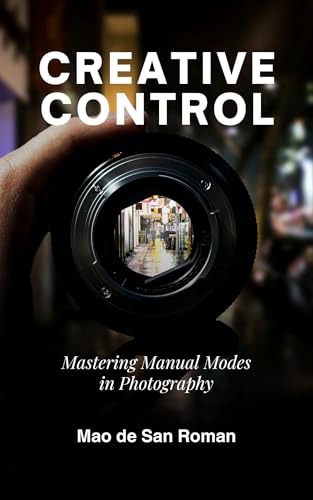 | Expert Techniques | Target Audience: Photographers (beginners to advanced) | Exposure Control: Manual settings (exposure, aperture, shutter speed) | Learning Focus: In-depth understanding of photography concepts | VIEW LATEST PRICE | Read Our Analysis |
More Details on Our Top Picks
Hyuduo Light Meter for Photography Equipment
Introducing the Hyuduo Light Meter – your new must-have companion for photography!
Why Choose the Hyuduo Light Meter?
- Versatile Shooting Modes: Offers both aperture and shutter priority modes to suit your shooting style.
- Wide ISO Range: Adjustable from 6 to 6400, making it perfect for various lighting conditions. Adapt effortlessly to any situation.
- Long-lasting Battery: Comes with a built-in lithium battery that ensures reliable performance throughout your entire shoot.
- Portability and Durability: Crafted from lightweight ABS material, it’s easy to carry wherever you go without compromising on strength.
- Clear Visibility: The 0.96-inch OLED display provides crisp readings, even in dim light, helping you achieve perfect exposure every time.
Whether you’re capturing portraits, nature settings, or fast-paced action, the Hyuduo Light Meter has you covered! Don’t miss out on transforming your photography experience.
Take control of your lighting now! Click to grab your Hyuduo Light Meter today!
- Target Audience:Photographers (DSLR and mirrorless)
- Exposure Control:Aperture and shutter priority modes
- Learning Focus:Practical light measurement
- Practical Tips:Accurate light measurement in various conditions
- Usability:Lightweight and portable
- Advanced Techniques:Advanced metering system for diverse scenarios
- Additional Feature:USB charging capability
- Additional Feature:Wide ISO range (6-6400)
- Additional Feature:0.96-inch OLED display
The Enthusiast’s Guide to Exposure Principles
If you’re passionate about photography, mastering exposure principles is a game changer for capturing breathtaking images. Let’s break down the essential components you need to know:
The Exposure Triangle:
- Light: The foundation of all photography. Understanding how to manipulate it can elevate your work.
- Aperture: A wide aperture creates a beautiful blurred background, perfect for portraits. Fewer distractions mean a stronger focus on your subject.
- Shutter Speed: Use fast shutter speeds to freeze action in sports photography or wildlife shots. No more blurry images when the moment matters!
- ISO: Adjust the ISO to shoot in low light without sacrificing quality. Get clear images even in challenging lighting conditions.
Essential Tools:
- Light Meters: These handy devices help you measure brightness levels accurately. They guide you in selecting the right settings for different environments, ensuring optimal exposure every time.
- Fast Shutter Speed Cameras: If you love capturing action, look for cameras that excel with fast shutter speeds. Your sports and wildlife shots will dramatically improve.
- Wide Aperture Lenses: Invest in lenses that offer wide apertures. They’re perfect for creative portraits with stunning backgrounds.
Key Benefits:
- Exposure Compensation: Adjust settings easily in tricky lighting. Don’t let poor lighting ruin your perfect shot!
- Improved Technique: Master these concepts to boost your skills. The more you know, the better your photographic results.
- Enhanced Experience: Understanding exposure principles enriches your photography journey. Capture remarkable moments effortlessly.
Ready to take your photography to the next level? Equip yourself with the right tools and techniques today! Check out the latest cameras and lenses that fit your style. Happy shooting!
- Target Audience:Photographers (all levels)
- Exposure Control:Introduction to exposure triangle
- Learning Focus:Fundamentals of exposure
- Practical Tips:Guidelines for tricky lighting situations
- Usability:Flexible reading style
- Advanced Techniques:Exposure compensation techniques
- Additional Feature:Introduction to exposure triangle
- Additional Feature:Guidelines for tricky lighting
- Additional Feature:Flexible reading style
CREATIVE CONTROL: Mastering Manual Modes in Photography
Mastering manual modes in photography gives you the creative control you’ve been looking for. If you’re ready to take your skills beyond automatic settings, this book is your guide.
Key Features:
- Control Every Element: Adjust exposure, aperture, shutter speed, and ISO to achieve professional-quality photos.
- Understand Depth of Field: Learn how changing the aperture impacts focus in your images.
- Clear Explanations: Concepts are broken down for all experience levels—easy to grasp and apply.
- Advanced Techniques: Explore new approaches to photography that fit various shooting conditions.
- Practical Tips: Real-world advice helps you tackle challenges and improve your shots instantly.
Benefits for You:
- Create stunning images that stand out and impress.
- Gain the confidence to experiment with your photography style.
- Capture moments just the way you envision them.
Don’t miss out on these skills! Grab your copy now and transform your photography. It’s time to elevate your game and create the images you’ve always dreamed of!
- Target Audience:Photographers (beginners to advanced)
- Exposure Control:Manual settings (exposure, aperture, shutter speed)
- Learning Focus:In-depth understanding of photography concepts
- Practical Tips:Hands-on advice for varied shooting conditions
- Usability:Accessible explanations of concepts
- Advanced Techniques:Creative techniques for bokeh and long exposures
- Additional Feature:Focus on manual settings
- Additional Feature:Clear explanations of concepts
- Additional Feature:Inspiring photo gallery
Factors to Consider When Choosing Aperture Priority Mode
When you choose aperture priority mode, consider several key factors affecting your shot. First, assess the light conditions since they influence your aperture settings and exposure. Next, think about your desired depth of field, subject motion, ISO compatibility, and the lens aperture range available to you, as these elements will determine the final quality of your images.
Light Conditions Assessment
Evaluating light conditions is essential for selecting the right aperture in photography, as these conditions directly influence your exposure settings. In bright locations, use a narrower aperture, which means a higher f-stop number. This approach helps reduce the light entering the lens, preventing overexposure. Conversely, if you’re in low-light environments, opt for a wider aperture with a lower f-stop number. This allows more light to hit the sensor, ensuring proper exposure. Additionally, when capturing backlit or high-contrast scenes, adjusting the aperture can maintain the focus on important elements while managing depth and detail. Finally, keep in mind that the color temperature affects your aperture choice, as different lighting can alter the mood and tone of your photographs.
Desired Depth of Field
Choosing the right aperture is essential for controlling the depth of field in your photographs. A wider aperture, which has a lower f-stop number, creates a shallow depth of field, blurring the background and emphasizing your subject. This is often preferred for portraits. On the other hand, narrower apertures with higher f-stop numbers provide a greater depth of field, making them ideal for landscapes where you want more elements in focus. Understanding hyperfocal distance can help you maximize depth of field by selecting the correct aperture and focus point. Also, keep in mind that different lenses behave uniquely regarding depth of field, so knowing your lens’s characteristics can be vital for achieving your desired effect.
Subject Motion Considerations
Subject motion plays a significant role in determining your camera settings, especially when using aperture priority mode. This mode lets you control the aperture while your camera adjusts the shutter speed. If you’re photographing fast-moving subjects, select a higher aperture (smaller f-number). This choice helps reduce motion blur by allowing for faster shutter speeds. Conversely, when capturing slower subjects or working in low light, a lower aperture (larger f-number) enhances depth of field. The camera compensates with longer shutter speeds in these scenarios. Additionally, wider apertures produce beautiful background blur, isolating your moving subjects effectively. Understanding how subject speed interacts with aperture settings is key to achieving the right exposure and artistic effect during your shoots.
ISO Settings Compatibility
When you work in aperture priority mode, understanding ISO settings is essential for achieving the best results in your photography. This mode lets you choose your desired aperture while the camera adjusts shutter speed based on your ISO. A wide ISO range, from 6 to 6400, allows you to adapt to various lighting conditions. In low-light situations, a higher ISO helps maintain faster shutter speeds, ensuring you don’t blur your images without losing depth of field. Remember, the relationship between aperture and ISO is vital. When selecting a larger aperture, adjust ISO to prevent overexposure. Be aware that high ISO levels can introduce noise, affecting image quality, especially in challenging lighting conditions.
Lens Aperture Range
Understanding the lens aperture range is a key factor in optimizing your photography when using aperture priority mode. The aperture, represented by f-stops, controls the size of the lens opening, affecting how much light comes in. Wider apertures, like f/1.4 or f/2.8, let in more light, making them great for low-light situations and creating a shallow depth of field. This means your subject stands out against a blurred background, enhancing focus. On the other hand, narrow apertures such as f/16 or f/22 reduce light intake, which is useful for landscape shots, keeping more elements sharp. Knowing your lens’s maximum and minimum aperture helps you make better decisions based on lighting conditions and desired photographic effects.
Exposure Compensation Techniques
Using exposure compensation can be a game changer when you’re shooting in aperture priority mode, especially in tricky lighting situations. This feature lets you adjust the camera’s metered exposure, which helps correct underexposed or overexposed images. For example, in high-contrast scenes like backlighting, you might want to use positive exposure compensation, adding +1 or +2 stops to brighten your subject and avoid silhouettes. Conversely, in very bright conditions, negative exposure compensation of -1 or -2 stops can prevent washed-out highlights. Understanding the exposure triangle is key, as adjusting the aperture impacts overall exposure. Quick adjustments are particularly useful in changing light, allowing you to maintain creative control without interrupting your photography flow.
Scene Composition Influence
Aperture priority mode greatly influences how you compose your photographs, allowing you to control which parts of the scene remain in focus. By adjusting the aperture, you can manage the depth of field. For landscapes, a smaller aperture (higher f-stop) guarantees more of the scene is sharp, while a wider aperture (lower f-stop) creates a bokeh effect, softening backgrounds and emphasizing subjects, which adds interest. In low-light situations, using a wider aperture helps capture more light, revealing details that might otherwise be lost. This mode also lets you quickly adapt to changing light conditions while maintaining compositional integrity. Remember, balancing aperture with shutter speed is vital for sharp images of moving subjects in your compositions.
Frequently Asked Questions
What Is the Difference Between Aperture Priority Modes and Full Manual Mode?
Aperture priority modes let you control the aperture while the camera automatically adjusts shutter speed, making it easier to capture the perfect photo. In contrast, full manual mode gives you complete control over both aperture and shutter speed, allowing for precise adjustments based on your vision. You’ll find that aperture priority is user-friendly, while manual mode demands greater skill. Each mode serves different needs, making both valuable tools for photographers.
Can Aperture Priority Be Used for Action or Sports Photography?
Yes, you can use aperture priority for action or sports photography. It allows you to control the depth of field while letting the camera adjust the shutter speed automatically. Set a wider aperture to blur backgrounds, highlighting the subject. However, make sure your camera can handle fast shutter speeds to freeze motion. Additionally, use a higher ISO in low light to maintain quick shutter speeds. Balancing these settings helps capture sharp, dynamic images.
How Does Aperture Priority Impact Depth of Field in Portrait Photography?
Aperture priority considerably influences depth of field in portrait photography. When you choose a wider aperture, like f/1.8, you create a shallow depth of field, blurring the background and highlighting your subject. Conversely, a smaller aperture, such as f/8, increases depth of field, keeping more of the scene in focus. Understanding this concept helps you craft portraits that emphasize the mood and intention behind your images, making your subjects stand out more effectively.
Are There Limitations to Using Aperture Priority in Low Light Conditions?
Yes, there are limitations to using aperture priority in low light conditions. Your camera may struggle to choose the right shutter speed, which could lead to blurry images if it’s too slow. You might also find that you’re forced to open the aperture wider, reducing depth of field. Additionally, the higher ISO settings needed for low light can introduce noise, affecting image quality. It’s essential to balance these factors for best results.
What Lenses Work Best With Aperture Priority Settings?
For aperture priority settings, fast prime lenses work best, like a 50mm f/1.8. These lenses let in more light, giving you a better chance of capturing sharp images in various lighting. Zoom lenses with wide apertures, such as an f/2.8, are also effective. They offer flexibility in framing while maintaining good low-light performance. Choose lenses that allow you to control depth of field, enhancing your overall photography results considerably.